Category: Introduction, Summary & Supports


A  Down To Earth Testimonial For A Sustainable Lawn Or A Low Carbon Footprint  Efficient Management Plantscape System 

For you, Edward Kayler, the “Garden Guru”.
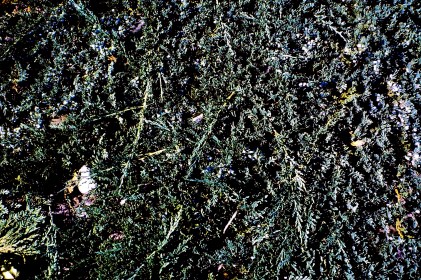
Low Growing Juniper Shrub, With Very Low Maintenance That Does Not Need Mowing !

Low Growing Juniper Shrub As A Ground Cover, With Very Low Maintenance That Does Not Need Mowing !

Our previous experience in Sherwood Park, out side of Edmonton Alberta, was a typical one for a rural acreage owner.  Loving the country, open spaces and a different, non urban lifestyle attracted us to this type of living.  The positives were not living in a mundane bland suburban subdivision, not living beside land with manicured lawns that incorporated industrial  landscaping including the use of pesticides, herbicides, chemical fertilizers,  freedom to live more freely without close scrutiny by neighbours & municipal authorities plus a safe and nurturing environment to raise children.  The negatives were that regular automobile use was required, the land developed for the acreage was farmland, many gasoline driven equipment, tools and vehicles were required to mow & trim the lawn.  One of the biggest polluters was the use of a  tractor to mow  2 acres of lawn around the house.
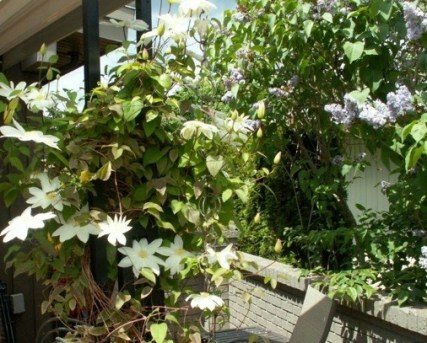
Clematis Tree Vine & Lilac With White & Mauve Flowers Around The Patio. The Flowers Of The Old Cultivar/Variety Of Lilac Have A Lovely Fragrance.

Clematis Tree Vine & Lilac With White & Mauve Flowers Respectively, Adjacent To The Patio. The Flowers Of The Old Cultivar/Variety Of Lilac Have A Lovely Spring Fragrance.

Although the lawn consisted of seeded & native grasses plus wild plants, it required 4 to 5 hours of mowing with a tractor every week to have a manicured lawn.  We found that the more the lawn was mowed, the more it needed to be mowed and the more it was mowed, the drier and browner the lawn became. Eventually we stopped bagging the lawn clippings,  allowing the grass clippings of natural mulch to stay on the lawn, reduce the mowing area and reduce the number of times of mowing the lawn to once every two weeks. The use of noisy and expensive machinery was still required resulting in a major cause of polluting. We resolved to avoid or drastically reduce all the expense, senseless repetitive work & pollution with our next house & surrounding lawn.

We were very fortunate to be able to move to Vancouver Island, BC and enjoy the warmer temperate climate. The culture in other parts of Canada that promotes industrial landscaping with manicured lawns in residential areas is not as prevalent here because the climate is so mild.  There are homes with grass lawns but many more that use alternative materials like gravel, beach stones, river rock along with species of low growing plants that are local to the area and do not require watering, fertilizers or mowing.
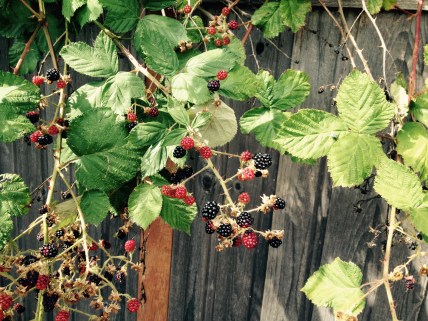
Blackberries Ripping On The Vine In Warm Sunny Weather.

Blackberries Ripening On The Vine In Warm Sunny Weather.

The land- & plantscaping around our home utilizes many local plants like heather, junipers, cedars, lilacs, flowering plants, trees  & shrubs incorporated adjacent to pathways, front and rear patio areas. Local flowering, ever green plants, shrubs & trees are strategically located in specific areas of the garden for aesthetic value, wind break protection, shade & shelter.

We consider the surroundings around our home to be much more interesting, vibrant and colourful than a house with a grass only monoculture lawn. It requires minimum maintenance, doesn’t turn brown if it doesn’t rain for a couple of days and saves a lot of money.  The best part in this transformation is not owning  a lawn mower !  We owe a debt of gratitude to Mr. Ed Kayler for his expert advice and the supply of human powered tools required to seasonally prune, shape or repair some of the plants, trees & shrubs.

OLYMPUS DIGITAL CAMERA

Marilyn Grice, Real Estate Agent, A Liason With Edmonton Police & The Public.

OLYMPUS DIGITAL CAMERA

Tony Grice Electrical Engineer For The Environment.


Parents of 3 boys & 1 girl plus Cub Leaders.

Vancouver Island, BC.
Image 2-16-16 at 12.12 PM


Letters of Support Index from Concerned Health, Educational, Business,
Environmental and Other Leading Community Organizations

  • Mr. Peter Dawe, Executive Director, Canadian Cancer Society, Newfoundland Labrador Division 2009
  • Dr. Donald Earle, DC, President, Newfoundland Labrador Chiropractic Association
  • Mr. James Feltham, President, Association of Registered Nurses, Newfoundland Labrador

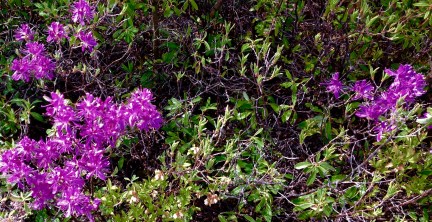
    RhododendronBloom

    Native Rhododendrons In Bloom With A Rich Vibrant Pink Colour, Central Newfoundland.

  • Ms. Bernadette Hanlon, Secretary Treasurer, Spel’Tek First Nation & Coordinator Louis John’s Hill Nature Preserve
  • Ms. Lynn Green, President, Learning Disabilities Association, Newfoundland Labrador.
  • Mr. Gary Vey, President and CEO, Gander International Airport
  • Mr. Steven Hazell, Executive Director, Sierra Club of Canada.
  • Mr. Greg Noel, Director Environmental Initiatives, Newfoundland Labrador Lung Association Inc.
  • Ms. Brenda L. Kitchen, Executive Director, Arthritis Society, Newfoundland Labrador.

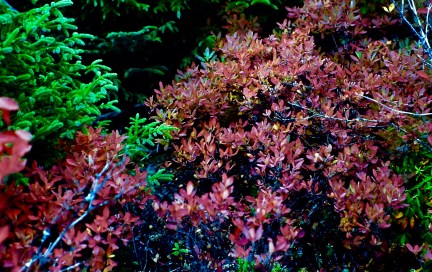
    My beautiful picture

    Native Rhododendron Foliage Exhibiting Rich Red Fall Colours, Central Newfoundland.

  • Ms. Kimberley-Ann McDonald, Regional Program Coordinator, Autism Society, Newfoundland Labrador, South and Central Chapter.
  • Dr. David Saltman, Chair of Oncology Discipline, Faculty of Medicine, Memorial University, St. John’s, NL.
  • Mr. Gideon Forman, Executive Director, Canadian Association of Physicians for the Environment, Toronto, ON.

Project Summary

The Horticultural Green Garden Project To Lessen The Carbon Footprint And Toxins In The Environment To Positively Affect Climate Change

To outline, promote & market a sustainable ecological horticultural system of management for the lawn and garden that:

SaskatoonBerries Ripe Blue

Deep Blue Ripe Native Saskatoon Berries, One Of The Key Ingredients Of The Emerency Food Ration, Pemmican,  Together With Meat & Fat From The Prairie Bison Used By The Native Plains Cree People. The Birds Especially The Robins Love The Pear Shaped Pesticide Free Fruit Too, Central Newfoundland

  1. substantially reduces the climate altering toxic carbon exhaust emissions.
  2. drastically reduces noise pollution.
  3. does not require the poisonous cosmetic use pesticides on the lawn.
  4. does not need the potable drinking water on the lawn paid for by the taxpayers of the community.
  5. utilizes the wet biological organic material from the kitchen, lawn and garden such as grass, leaves, cut up banana peels, tea bags and egg shells as a free plant food source directly to the soil or in the compost.
  6. recycles the dry fibrous biological organic material from the kitchen, lawn, garden, and workshop.  These materials include bark and wood chips, wood shavings, sawdust, cut up branches, corn cobs and husks, leaves, grass, peat moss, peanut and sunflower seed hulls.  Such material adds fibre and organic matter to the soil as a beneficial soil conditioner and as mulch around trees and shrubs to hold in moisture and allow nutrients to be readily available to improve plant health.

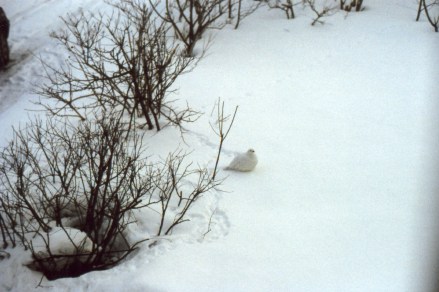
    WEK_IMG012

    Ptarmigan Feed On Native Saskatoon Berries & Fruit Buds,  In Winter, Central Newfoundland. Native Saskatoon Shrubs Chuckley Pear NL, Add Significantly To The Bio-Diversity Of The Plantscape In The Ecologically Sustainable Horticultural Garden.

The volume of waste to be collected by the waste management system is thereby reduced by two thirds with the composting and recycling of all the organic and biological material from the kitchen, garden and workshop.  This is a sharp contrast to present practices of not composting and not recycling.  Reaching these objectives through this education and technology transfer program represents a significant reduction in the carbon footprint in the lawn and garden. From the Green Garden Horticultural Project, it is estimated that the climate altering toxic carbon exhaust emissions reduction equivalent per household per year is 2,178.9 kg.  This is a significant initiative to alter positively climate change in the lawn and garden.

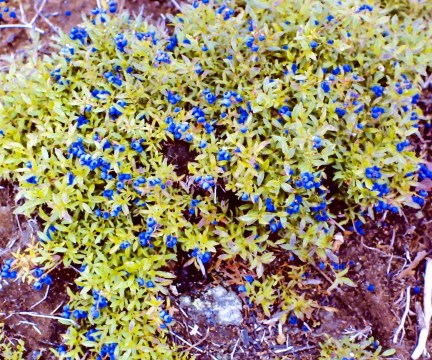
My beautiful picture

Native Low Growing High Yielding Ripe Deep Blueberries. The High Organic Matter Content Of The Nutrient Rich Top Soil Together With The Enhanced Micro-Climate Produces A Lovely Fresh Delightful Tasting Pesticide Free Healthy Berry Fruit, Central Newfoundland.

A pilot survey amongst an initial representative sample of householders in the region is expected to show that a positive change in the reduction of toxins and the carbon footprint is actually taking place one year, two years and three years after adopting and following the recommendations of the Sustainable, Ecological, Horticultural Green Garden Project.

The Green Garden Horticultural Project clearly demonstrates a commitment to addressing the positive climate change initiatives of the Action Plan as released July 13, 2005 by the Department of Environment and Conservation, Government of Newfoundland Labrador.

Refer To The Key Section: Under The Category, The Sustainable Lawn“The Objectives And Benefits To Positively Affect Climate Change And Health”

What Led To This Project?

When Edward arrived in the Exploits Valley of Central Newfoundland during the late 1970’s, he was confronted with a challenge.  His yard had been typically scraped with a bulldozer mixing the subsoil and valuable but limited topsoil.

fullsizeoutput_2e24

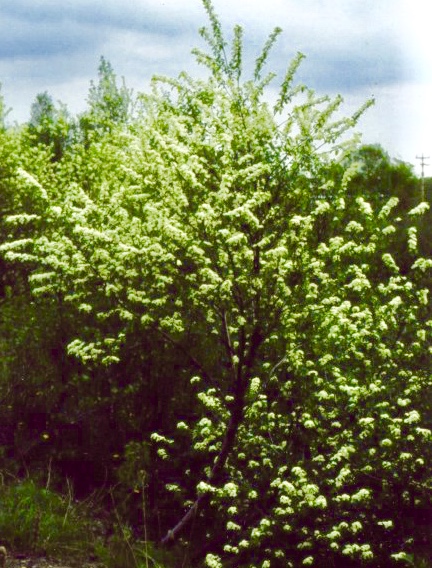
A Healthy Native Cherry Pin Tree In Full Bloom, Growing In A Favoured Micro-Climate & Rich Flood Plain Alluvial Soil Of The Exploits River Valley, Central Newfoundland.

Some surface and subsoil aggregate had been dumped and spread to make a quasi-elevated table top in the front yard contributing to the drainage issues and poor soil quality.  Chunks of cement and pavement were in the mixture.  This, coupled with the removal of all the native vegetation led to a destitute platform for any green-thumb, let alone a Horticultural Specialist.  The constant noise and air pollution associated with all the lawn mowing, trimming, and leaf blowing led him to think, “there had to be a better way”.

The way of thinking at this time in maintaining a lawn was to lime and fertilize with commercially produced products.  The end result would be even more mowing with increased noise and toxic carbon exhaust emissions.  This is not to mention the purchasing, packaging and shipping costs along with the pollution associated with these products.  He was very concerned with the poisonous cosmetic use pesticides being used in the neighborhood where children and pets were playing.  He recognized and could instantly smell the fumes.

fullsizeoutput_2e22

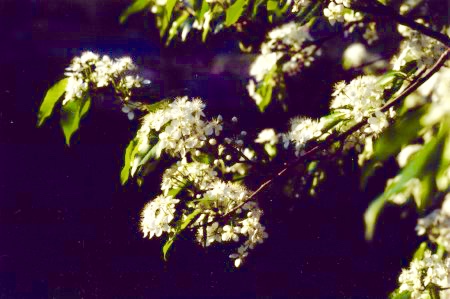
Native Cherry Pin Tree In Full Bloom Growing In The Favoured Climatic & Soil Conditions Of The River Valley, Central Newfoundland.

The young workers applying the pesticides were not wearing protective equipment.  He knew there was something terribly wrong with the whole process.  This clearly did not make sense.  That is, to spend so much time contaminating the neighborhood in the soil, air and water on a collective scale as a cosmetic practice.

Over the next thirty two years, Edward set out to develop a sustainable, ecological, and horticultural system of management in the lawn and garden to demonstrate that there was a better way to create and sustain a lawn and garden without the harmful or wasteful approaches commonly used at that time.  His directive was:

  1. To substantially reduce the climate altering toxic carbon exhaust emissions.
  2. Drastically reduce noise pollution.
  3. Eliminate entirely the use of poisonous cosmetic use pesticides on the lawn.

    My beautiful picture

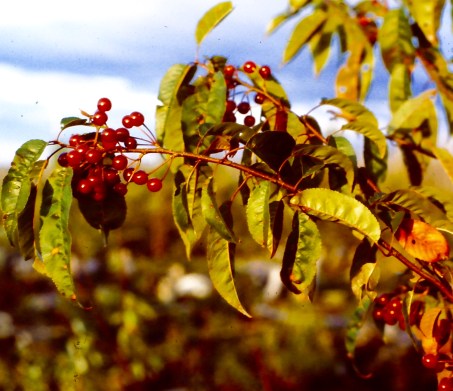
    Native Ripe Red Cherries Pin In The Ecological Sustainable Horticultural Garden Attract & Provide Desirable Food For Song Birds.

  4. Eliminate the unnecessary use and waste of the town’s potable drinking water on the lawn, driveway and walkways.
  5. Utilize the wet biological organic material from the lawn, garden and kitchen such as grass, leaves, cut up banana peels, tea bags, and eggshells as a free plant food source directly to the soil or in the compost.
  6. Recycle the dry, fibrous biological organic material from the kitchen, garden and workshop.  These materials include bark and woodchips, wood shavings, sawdust, cut up branches, corn cobs and husks, leaves, grass, peat moss, peanut and sunflower seed hulls.  Such material adds fibre and organic matter to the soil as a beneficial soil conditioner and as mulch around trees and shrubs to hold in moisture and allow nutrients to be available to improve plant health.
  7. Plant a representative sample of the native fruit trees, shrubs and plants that were growing well in the Exploits Valley of Central Newfoundland in the lawn and garden.
    CherryPinFoliageRedFall

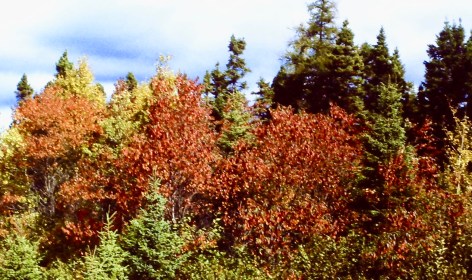
    Distinctive Deep Red Foliage Of The Native Cherry Pin In The Autumn, Central Newfoundland.

    The number or density, health and vigour of such fruit species revealed the true significance, uniqueness, the favoured micro- climate and the flood plain alluvial soil in the Valley or heartland of the region.  The Biodiversity of these fruit trees, shrubs, plants and other species must be preserved.  They were being flattened and desecrated with abandon in the name of progress with no land use planning, no stock piling of topsoil or preservation of trees shrubs or plants prior to development.

  8. Protect flood plains, water courses, and riverbanks.  These were being minimized of their former integrity.  When flooding or excess waters happens over a short period of time in the Winter on frozen ground, damage is more severe and acute to people and infrastructure close by on the banks or in the flood plains.