Category: The Sustainable Lawn


A] 1]  Question:  Hello, this is Andrew Osmond. I hope you’ve had a good summer! I’m moving to a new place in Port Blandford, Newfoundland, adjacent to the Terra Nova Park on the East Coast. In my yard I have found these Berries on a tall bush. I am curious if these may, in fact, be Saskatoon Berries, although they are noticeably longer and less oblate than Saskatoon Berry Images you have shown me in Grand Falls-Windsor, NL.   6Aug13

Answer:  Hi Andrew,      It is good to hear from you. I am still having a good summer !  I surly hope there are a few more weeks of summer left before a fall frost occurs.

The Saskatoon or Chuckley Pear in NL.,Service Berry in BC., Juneberry Shrub in Central Canada. With Deep Purple/Blue Berries this wide spread shrub  Exhibits Variations & Differences In The Range Of Regions Across The  Country. The Native Plant & Fruit Development  may not be quite the same in the Terra Nova area as in  The River Valley In Central Newfoundland with the different  environmental & climatic differences. In nature, there is invariably variability ! Despite Man’s attempt to categorize & group plants in very specific terms, there are discrepancies, grey areas & slight differences.
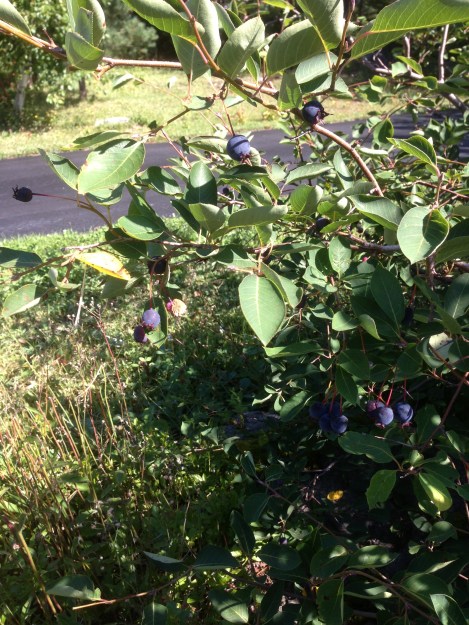
photo

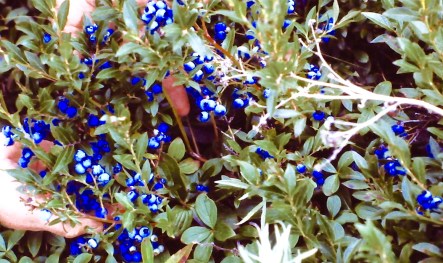
Ripening Deep Blue/Purple Fruit Of The Native Saskatoon Shrub, Terra Nova National Park Area, Eastern Newfoundland, Early August.


The plant, leaves & fruit specimen shown in the photograph strongly resembles that of the Saskatoon Shrub even with all its variations across the country. This is also the time that the fruit ripens in insular Newfoundland. You are blessed to have  fully ripened dark blue/purple fruit. As soon as the fruit turns red here in the garden the robins are after them. They do not wait for the fruit to turn & fully ripen to the deep dark blue/purple colour.

The fully ripened dark blue fruit are good to eat fresh, in cereals, pancakes, fruit salad & yogurt. They are easily frozen to preserve for later use in the winter.

I am getting some good feed back on the Web Site. Thanks Again for your major contribution & assistance to this Web Site. It has gone all across the country to the Yukon & even over to Europe, Asia & the USA. To help prepare more posts with photographs, I now have an iPhone 4s with a good camera, thanks to our Son, Glen for his leadership & guidance  !

Have a good Saskatoon Harvest in Port Blandford ! All the best in your career path.             Ed Kayler,  PAg.

 B] 2] Question: I found some of these Berries in St John’s with Lisa & Family. The kids & I ate  & enjoyed them. The parents, Lisa & Michael did not see them. Michel would like to know, however,  what they are called ?
Sent from my iPhone,  Tana Kayler,  St John’s, NL.
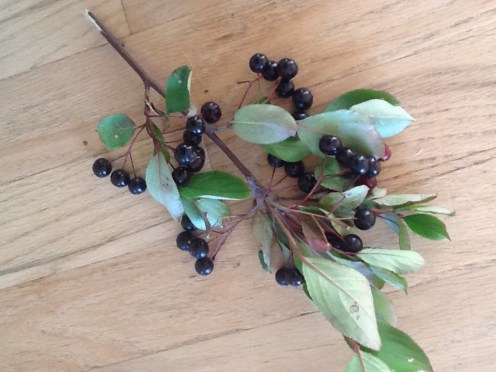
SaskatoonRipe

Edible Saskatoon Berries Fully Ripened in Southern Insular Newfoundland, Close To The Salt Water Where Temperatures Are Cooler & Ripening Is Later, Early Sept.

Answer:2]  The plant, leaves & fruit specimen shown in the photograph strongly resembles that of the Saskatoon Shrub even with all its variations across the country. This is also the time that the fruit ripens near the coast in insular Newfoundland. You are blessed to have  fully ripened dark blue/purple fruit to enjoy on your hikes in the country with Lisa, Michael & Family.

Ed Kayler, PAg.  Ecological Horticulturist For The Environment
003

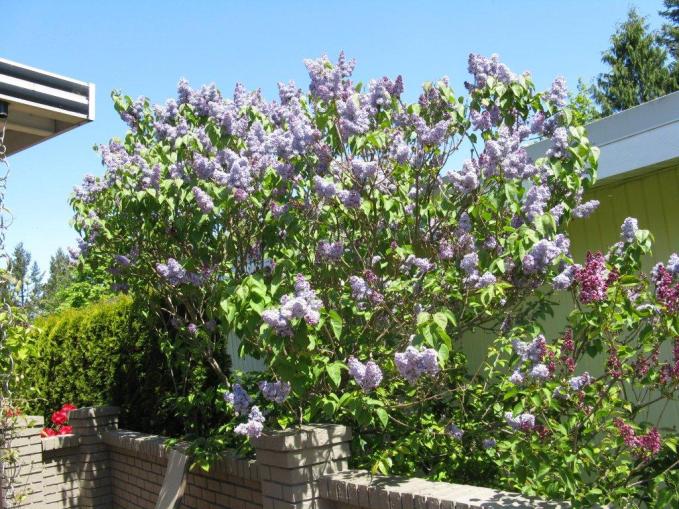
The Lilac Shrub In Full Bloom. The Mauve Blooms Of The Older Cultivars/ Varieties Have A Very Distinctive Pleasant Fragrance.

Beneficial Effects Of Pruning Ornamental  Trees & Shrubs Like Lilac

Pruning Demonstration Project on Shrubs Including A Lilac Shrub

A Thank You Letter;  Dear Margie,    Ed, deserves a Great Big Thank You, as I have way more Lilac Blooms on the Shrubs this year, that he pruned when you were out here, than I had last year !  The smell is wonderful !                                                                                                                                                     We thanked Ed  profusely, again, in absentia this morning while using all the tools he provided for all our pruning work….and the cutting up of the branches into smaller  segments to get them into the trailer.  A lot of work, but very satisfying.                       M.Grice, Vancouver Island, BC.

Fire Flower?


Fire Flower ?

Question:  What about the Plant with a distinctive colourful Pink /Purple Flower out in Bloom now ?                     Glen Kayler, Calgary NW, Alberta.                             Aug/14

fullsizeoutput_17e9

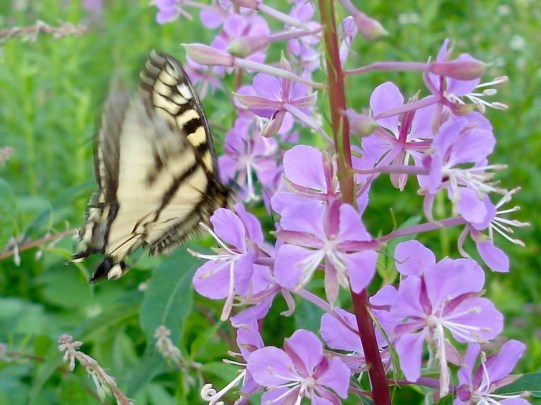
Pollination Of The Fire Flowers On The Distinctive Colourful Plant Growing Across Canada.


Reply:  8 April 15,  Hi Glen,   The Fire Flower flourishes readily across the Country especially where the soil has been disturbed such as in Farming Areas. The Fire Flower Plant is a Native Species in Canada  & is The Floral Emblem Of The Yukon Territory. It should Not Be Called A Weed ! A Weed is A Plant In The Wrong Place or Position ! For Example, A Volunteer Potato Plant sprouted from the previous year’s crop in a spring seeded Forage Field Of Alfalfa & Timothy is considered a Weed, in this Special Circumstance, despite its outstanding qualities as a Nutritious & Delicious Food Plant !
The Fire Flower Makes Premium Honey by Honey Bees as is done commercially In The Peace River Country of Northern Alberta & British Columbia where The Fire Flower grows wild & profusely. Honey is a very valuable & useful Human [& Bear] Food from The Fire Flower Plant adding to the Income of many Families in the Rural & now in the Urban Areas of Canada !
 Best Regards,

W.E. Kayler, PAg.

fullsizeoutput_17e8

Pollination Of The Fire Flower, A Distinctive Colourful Plant. The Floral Emblem Of the Yukon Territory In North Western Canada.

The Question inquiring about the very distinctive Flower of the Plant, Fire Flower, prompted   The Published Post,  Titled,  What Is A Weed ?  Under The Category,  Working With Weeds  & Beneficial Plants,   On  The Web Site,    thesustainable lawn.com   Thank You, Glen,  for Asking about The Fire Flower  With Its Distinguished Plus Delightful & Colourful Pink/Purple Bloom !

Ed,   The information on the Web Site, thesustainablelawn  is excellent and I really like the pictures to help explain everything.  I am pleased to see that my lack of lawn manicuring is a good thing, as I never water my lawn using  potable drinking water and only mow the Lawn when necessary.

Question: I love The Creeping Low Clover Lawn and wonder if I can over seed my lawn with the Creeping  Low Growing Clover without bringing in more top soil. I am looking for the least expensive way.                                                                                                                                              Victoria Ades,   Calgary, AB.

Answer: Hi Vicky,  In terms of Mowing The Lawn, it is better to delay or procrastinate. It is not a hospital floor or does not have be manicured. It is not a Golf or Bowling Green for  Sports or  Recreational Use ! The reason being on many occasions the lawn is cut too short, too often, especially in the hot weather of summer. The result is when the lawn is cut too short or scalped, it suffers severely, struggles to survive, turns yellow & brown leaving week & bare spots where dandelion seeds, on light floating parachutes, easily find bare soil to settle on & become established. Many people take Vacation in the summer months. The lawn needs to be resilient, self-sustaining with low maintenance, particularly  under these circumstances.

CloverLow GreenSpreading

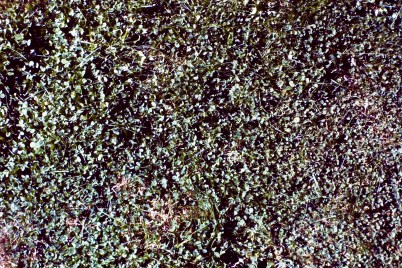
Creeping Low Clover As A Low Maintenance, Non Polluting Green Sustainable Lawn


You are definitely on the right track with delaying the mowing, not manicuring the lawn & investigating the incorporation of Creeping Low  Clover into the unstable Grass Monoculture Lawn. The Creeping Low Clover  feeds the soil & grass so additional fertilizer is not needed. The Creeping Clover is low growing, does not need frequent mowing & with low maintenance, is Non-Polluting. Congratulations on Proceeding To Develop A  “Sustainable Lawn”  with & Emphasizing Creeping Low Clover ! 

To obtain Creeping Low Clover in the Unstable Grass Monoculture lawn by the least expensive way, extra top soil is not needed. The Creeping Low Clover/ White Dutch Clover is sold in small packages that fits in the palm of the hand. One or two packages would do most neighbourhood or urban lawns. The Clover Seed can be mixed in a pail of dry sand, when seeding, to obtain a uniform distribution of the Clover Seed on the Lawn.

Seeding Creeping Low Clover can be done in the late summer, early fall after the hot dry weather of summer when seasonal rains are more prevalent or in the late fall just before the ground freezes or becomes covered with snow, which ever comes first, called Dormant Seeding.

My beautiful picture

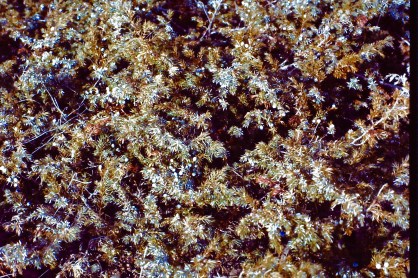
Creeping Low Juniper Shrub With White Berries As A Low Maintenance, Non Polluting Ever Green Sustainable Ground Cover, Especially Useful On The Slope

If seeding is done in the growing season after the snow melt in the spring, it can be done just before a substantial rain to lodge the seeds downwards to come in contact with the top soil. Seeding just before or during the hot summer weather is risky & can be avoided. Canadian Tire & the Farmers Coop Outlet handles The Creeping Low Growing White Clover Seed in our Community of Newfoundland & Labrador.

All The Best & Good Luck in the establishment of your Sustainable Lawn & Garden Activities !

Ed Kayler  PAg.  Ecological Horticulturist For The Environment


Objectives & Benefits To Positively Affect Climate Change And Health

The Sustainable Lawn With Reduced Toxic Carbon Exhaust Footprint

Objectives 

  • Do not cut the grass in the hot dry weather of summer occurring from June 15th to September 15th. The grass goes into a dormancy period and stops growing during the hot dry weather periods of summer.

    My beautiful picture

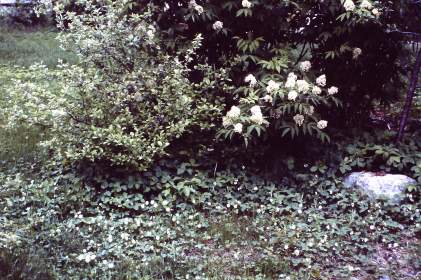
    Native Elderberry Shrub Plus Native Strawberry Ground Cover Both In Bloom With White Blossoms, In The Ecological Sustainable Plantscape.

  • Do not cut the grass too short especially on the knolls, crowns and hillsides. The highest setting on the mower is recommended. In terms of the health of the grass plants and having adequate green leaf blades for food manufacturing, the high setting on the mower is actually a low setting for the plants.
  • Do not cut the grass on a fixed day each week but cutting according to the amount of leaf growth and if the soil moisture conditions from rainfall are good for growth.
  • Entirely eliminate the use of poisonous cosmetic use pesticides.

    WEK_IMG004

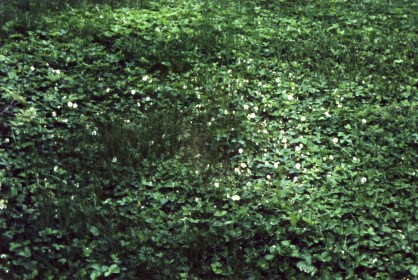
    Native Strawberry & White Clover, An Alternative Low Growing, Low Maintenance & Non Polluting Ground Cover/Lawn, Central Newfoundland.

  • Drastically reduce the climate altering toxic carbon exhaust emissions and noise pollution by the cosmetic manicuring of the lawn and garden with the use of gas powered machines. The gas powered engines include the riding and power lawn mower, buzz saw, trimmer, leaf blower, chain saw, rototiller and the machine used to spike or core the lawn.

Benefits

  • There is reduced capital and operating costs from less purchasing and operation of gasoline-powered machines.
  • Reducing the climate altering toxic carbon exhaust emissions is extremely desirable and commendable. The small engines contribute 20% of the toxic carbon exhaust emissions from the internal combustion engines.

    WEK_IMG020

    Lady’s Tresses, Native Orchids In Bloom With The Native Strawberry & White Clover In The Low Growing, & Non Polluting, Low Maintenance Ecological Sustainable Lawn, Central Newfoundland.

  • There is reduced noise pollution and the need for ear protection equipment from less use of riding and power lawn mower, buzz saw, trimmer, leaf blower, chain saw, rototiller and the machine used to spike or core the lawn.
  • A healthy environment is created by the reduction in air and noise pollution. Positive signs include;
  1. An increase in beneficial and pollinating insects, song birds and other wild life. This keeps insect pests down.
  2. A more quiet atmosphere and cleaner air to breathe.
  3. There is less contamination to ground and pond water.
  4. There is less wastage of potable drinking water.

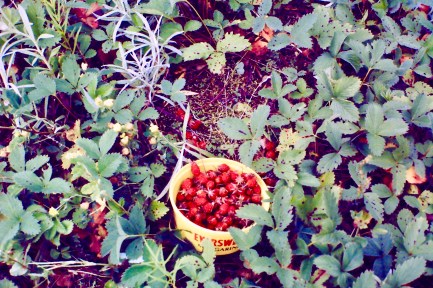
    StrawBNativeRipeRed

    Native Strawberries Ripe Red & Sweet. Low Growing Non Polluting Ground Cover With Low Maintenance Except For Picking & Eating.

  5. The reduced climate altering toxic carbon exhaust emissions has a positive effect on the climate change.


The adoption & incorporation of these steps is  focusing on a greener healthier sustainable lawn and garden. It could represent the right opportunity for an individual to contribute positively to affect climate change and reverse a common negative trend of polluting the air & soil.

Mulching, Composting, Organic Plant Food Plus Improved Soil Conditioning

Objectives 

  • Utilize the mulch produced by the garden on the organic pathways, around trunks of trees and the foundations of shrubs. Mulch material consists of grass, leaves, twigs, bark and wood chips, cut up branches and boughs. Mulching conserves moisture for the plant root systems so they can pick up the soluble plant food and allowing them to flourish properly. Mulch keeps the weeds down.

    RaspBerryFruitRipe

    Ripe Plump Red Raspberries Ready For Harvest & Eating. Planted In A Row, As A Border Or Boundary In The Garden Under Bright Sun Light.

  • Raking the lawn in the spring is not needed. Last year’s dead grass is this year’s plant food. The dead grass protects the plant crowns from drought and freezing temperatures. Raking the lawn damages and scars the plant crowns exposing them to the elements. Grass and leaves rot quickly during the growing season for a slow-release of plant food and makes the richest soil.
  • Collecting up the grass clippings after mowing is not needed. The grass clippings rot easily and provide a sustainable gradual release of plant food during the growing season. There is no volatilization, leeching and losses of plant nutrients. There often are heavy losses through volatilization and leeching with commercial fertilizers, particularly those that contain nitrogen.

    My beautiful picture

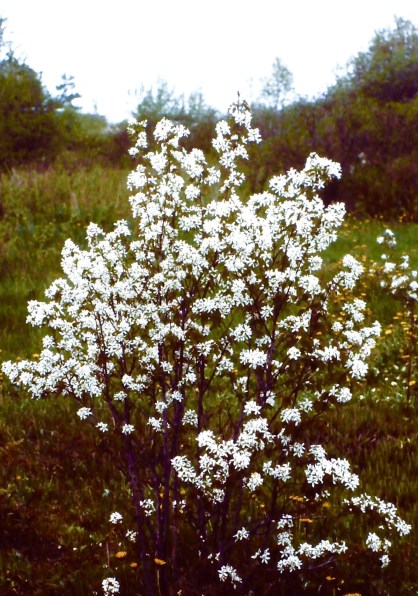
    Native Saskatoon Shrub In Full Bloom In Early Spring, Central Newfoundland.

  • Utilize the discarded biological organic material from the kitchen, garden and workshop for plant food, mulch and compost in the lawn and garden.

Benefits

  • The biological organic waste becomes something that is very useful and saves money. Reusing, recycling, mulching and composting of the biological organic material produced in the kitchen, garden and workshop is a beneficial and practical free plant food source. The biological organic compost is superior to chemical fertilizers. Compost not only contains the three major nutrients common in the commercial fertilizers but it also contains minor nutrients. Minor means in terms of quantity. They are equally important as the major nutrients but are needed in lesser amounts. The compost contains these minor nutrients plus fiber and organic matter that the commercial fertilizers do not contain. The fibre and organic matter is essential for the proper soil mix, moisture retention and nutrient availability to roots and plants when added to the soil in the lawn and garden.

    My beautiful picture

    Deep Blue Ovate Shaped Saskatoon Berries Ripening Early August In The Ecological Sustainable Plantscape Garden, Central Newfoundland. Saskatoon Berries Are A Key Ingredient In The Emerency Food Ration By The Native Plains Cree People Together With The Meat & Fat Of The Prairie Bison. The Birds Especially The Robins Love the Saskatoon Berries Too.

  • Increased water conservation and soil moisture results in increased availability of plant food and the health of the plants by the use of mulches and compostable products from the kitchen, garden, and workshop.
  • Drastically reduced and or elimination of gulls and crows opening up garbage bags at the roadside by;
  1. Diverting all biological organic material from the kitchen, garden and workshop  to the compost and garden soil.
  2. Separating all paper, cardboard and packaging for recycling.
  3. Washing and rinsing all the glass, plastic and metal containers for recycling.
  • These measures provide no attractant for the avian scavengers.
  • These steps taken prevent any biological organic material from ending up at the curbside for disposal. Two-thirds of the waste going into the landfill or incinerator previously, is biological organic in nature.  Reduced transportation and processing costs plus reduced climate altering toxic carbon exhaust emissions are a significant feature by not transporting the biological material in the community waste management and disposal system.

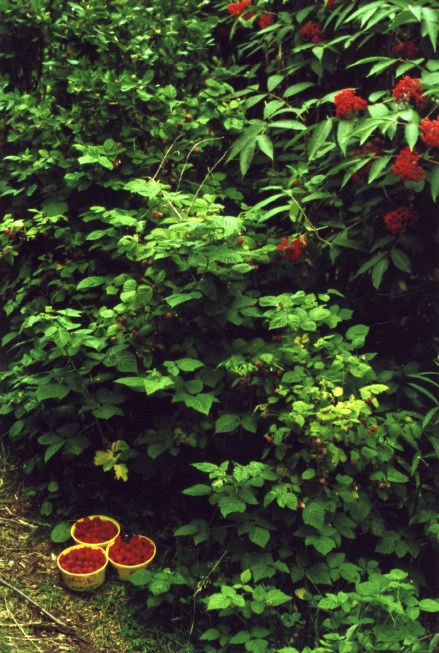
    Red Raspberry Fruit Picked Fresh For The Table; Native Ripe Elderberries On The Shrub Above, A Favoured Food Of Birds, Central Newfoundland.

    Plump Red Raspberries Picked Fresh For The Table; Native Ripe Elderberries On The Shrub Above, A Favoured Food Of Birds, Middle Of August, Central Newfoundland.

Bio-Diversity – Its Advantages

Objectives

  • Build a lawn consisting of a mixed array of plants rather than a grass monoculture. Having only grass is unstable, unsustainable, has very high maintenance costs and a high consumptive use of water. The array of different native plants in the lawn reduces the risk and severity of insect pests and disease infections such as the Chinch Bugs in the grass roots. No deadly insecticides or watering with the community’s treated drinking water is needed in a mixed plant culture.
  • Allow low growing white clover to flower, seed and spread. In areas that are thin and bare, white clover can be successfully seeded in the fall or spring just before a rain. The clover seed can be mixed with dry sand in the seeding for an even distribution. The low growing white clover feeds the grass and other native low growing plants so additional fertilizer is not needed.

Benefits

  • There is no thatch or matted grass buildup because of the bio-diversity of the plants in the lawn.

    fullsizeoutput_298e

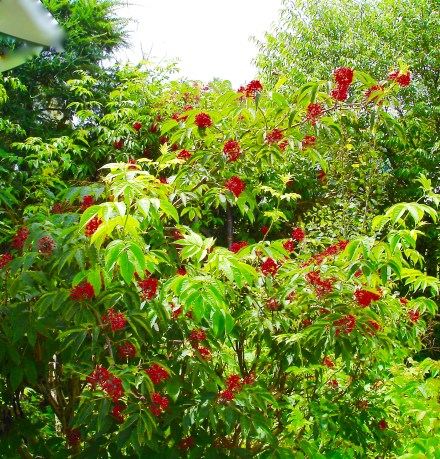
    Ripe Red Elderberries On A Healthy Shrub Provide An Abundant Food Source For Local & Migrating Song Birds In The Ecological Sustainable Horticultural Garden.

  • There is increased health of plants in the lawn and garden with no synthetic chemicals or cosmetic use pesticides on the lawn. A robust healthy lawn with a variety of different plants that are allowed to grow, develop, and flourish without frequent low cuts, crowds out imported weeds and eliminates the dependency on herbicides or weed killers.
  • A reduction and prevention of insect pest and disease infestations is a very desirable situation to have in the lawn. Deadly insecticides are not needed; for example, Chinch Bugs develop primarily in the grass monoculture lawn.

Water – A Recognition of its Value

Objectives

  • The elimination of using potable drinking water paid for by the taxpayers of the community for watering established lawns. Rain barrels collecting water from the eaves and roof provide water for trees, shrubs and plants in dry weather or after transplanting. Soapy dishwater is a good source of nutrients and water for plants, especially, young establishing plants.

    BloomBlueberry

    Native Low Growing Blueberries In Bloom As Part Of The Ground Cover Plantscape In The Ecological Sustainable Horticultural Lawn & Garden.

Benefits

  • Increased water conservation and soil moisture results in increased availability of plant food and the health of the plants.
  • Steps can be taken to reduce the cost and wastage of potable drinking water paid for by the taxpayers of the community by not watering established lawns or hosing down the driveway, sidewalk and roadway.
  • The following water conservation practices result in increase soil moisture. The practices include;
  1. The use of mulches and compost in the lawn and garden.
  2. The collecting of rainwater from the eaves and roof.
  3. The use of soapy dishwater as a nutrient solution for watering plants, especially young establishing plants.

Elimination of Poisonous Chemicals

Objectives

  • Drastically reducing the use of chemical fertilizers and the elimination of poisonous cosmetic use pesticides. Leeching of nitrates from the fertilizers and poisonous chemicals from the pesticides contaminates the ground water.

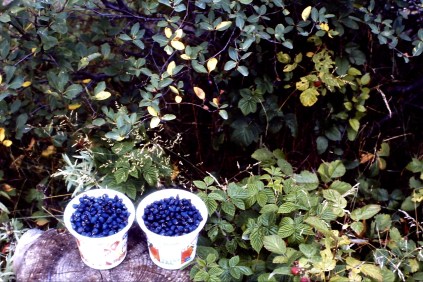
    FruitRipeSetGood

    High Yielding Rich Coloured Blueberries Growing In Soil With High Organic Matter & Amongst Mixed Planting Offering Shelter, Protection & Increased Moisture Conditions. .

  • Poisonous fumes from the pesticides contaminate the air in the neighbourhood for unsuspecting animals, pets, birds and people, including children. These noxious fumes further aggravate the problems some people have with breathing. There is a risk of children putting contaminated objects or fingers in their mouths.
  • Severely reducing the use of treated wood such as with creosote as the poisonous chemicals are injurious to plants, animals including pets and children. Used motor oil can be applied to the wood for a few inches above and below the soil line to keep the wood from rotting where it is most susceptible.

Benefits

  • The reduced air and ground water contamination means a healthy environment to build a healthy community.

    My beautiful picture

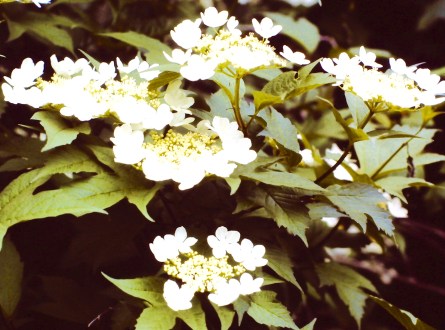
    Native Cranberry High Bush, Joint Wood Berry, NL In Bloom, Central Newfoundland.

  • Increased air quality and less breathing problems are significant positive results by not using poisonous cosmetic use pesticides and reducing drastically or eliminating the use of gas powered engines to manicure cosmetically the lawn. Reducing the toxic carbon footprint positively affects the climate change. Reduced costs and the toxic carbon exhaust emissions result from purchasing less commercial fertilizers, pesticides and poisonous wood preservatives.
  • There is increased health of plants in the lawn and garden with no synthetic chemicals or poisonous cosmetic use pesticides on the lawn.

Beneficial Landscaping

Objectives

  • Construct porous driveways and pathways of gravel,
    CranberryHighBushRipeRed

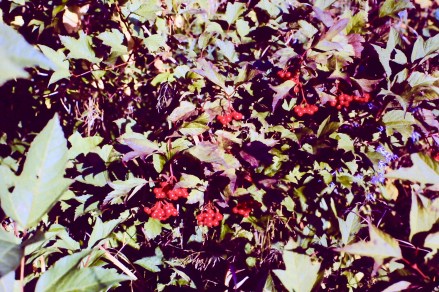
    Native Red Ripe Cranberries High Bush, Joint Wood Berries NL, Central Newfoundland.

    stone or brick to allow the rain water and air into mother earth to nourish the tree and plant roots. The excessive amount of pavement and concrete covering the ground in the urban areas severely restricts the growth of tree and plant root systems. Water drainage is severely restricted during flash floods from sudden heavy storms in any season as a result of the large amount of the ground being covered with impervious material of buildings, pavement, concrete and culverts instead of bridges. There is less soil and room for the rushing water to soak into the ground. It is important to use bogs, wetlands and flood plains along streams, rivers and lakes for flood prevention and control.

Benefits

  • Planning ahead for high water run-off and flood control reduces the need for reconstruction, rebuilding and high maintenance costs. A parallel and higher corresponding reduction in the climate altering toxic carbon exhaust emissions is a significant advantage.

    fullsizeoutput_2b1e

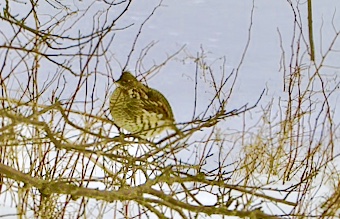
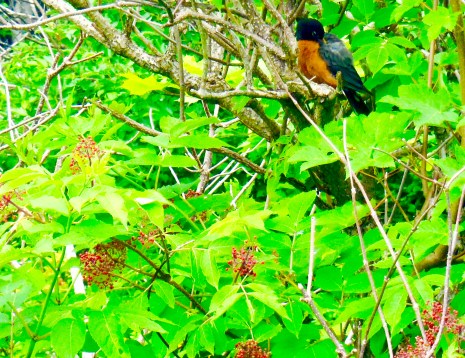
    Ruffed Grouse Feeding On The Fruit Buds Of Apple, Native Pin Cherry & Saskatoon Shrub During The Winter In The Ecological  Sustainable Plantscape Garden, Central Newfoundland.

Enhanced Plantscaping & Cardio-Vascular Health

Objectives


  • Grow, establish and transplant tree and shrub plants along fence lines, hillsides and in exposed areas utilizing native fruit trees, shrubs and plants which encourage song birds, wild life, pollinating and other beneficial insects plus providing fruit in season.
  • Grow more fruit and vegetable produce in the lawn and garden and buy more locally produced produce. The average distance traveled for food from producer to consumer is 2,000 km.
  • Manually weed out aggressive imported weeds like the dandelion which originates from Europe. This is done by removing the buds and flowers that are easily spotted for three-four weeks in late May to mid-June.

    WEK_IMG010

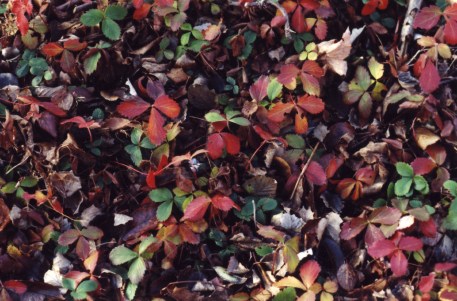
    Native Strawberry Ground Cover/Lawn Exhibiting Rich Red Fall Colours In The Ecological Sustainable Horticultural Garden, Central Newfoundland. No Need To Mow This Lawn.

  • The seed heads have 120 seeds per head and the plants have 20 – 40 buds per plant. One substantial robust healthy plant is capable of producing 4,000 seeds. It does not take many plants to produce a “sea of yellow” in the area. A substantial portion of the carrot-like root system has to be dug out so the plant does not regrow. The tenacious root system comes out of the ground more easily after a soaking rain. The removing of the buds, flowers and seed heads plus digging up the roots can be treated as a season’s exercise program. A little bit each day.  However, this plant is utilized for food and medicinal purposes. The leaves for edible greens are at their peak before the plant blooms. The flower and stems are utilized for wild edibles.

    ElderBerryRipeRedRobinFeeding

    Song Birds Especially The Robins Enjoy The Ripe Red Elderberries In The Ecological Sustainable Plantscape Horticultural Garden Starting In August, Central Newfoundland.

Benefits

  • The increased foliage from the establishing, growing and transplanting of trees, shrubs and a variety of healthy plants purifies the air and improves the quality of the environment. Song birds, pollinating insects and other wild life are increased. This helps keep insect pests down. Through the natural process of photosynthesis, carbon dioxide is consumed by the increased green leaves and oxygen is produced. The increased foliage buffers against noise and exhaust pollution. The result is dramatically reduced climate altering toxic carbon exhaust emissions and more peace and quiet.
  • Increased produce comes fresh from the garden including fruits, vegetables and floral arrangements of native and wild flowers. The native fruit trees, shrubs and plants provide tasty nourishing fruit within a few steps from the door. They attract song birds, pollinating and other beneficial insects which keep insect pests down. Some vegetables have attractive canopies or flowers like potatoes and green onions.

    My beautiful picture

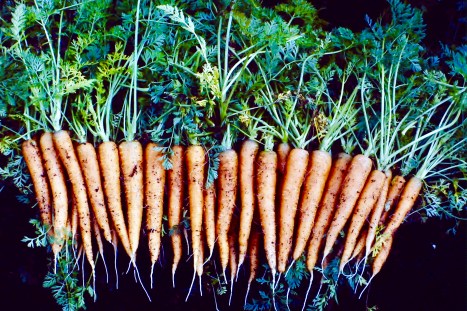
    Carrots Grow Well In Soil That Is Deep, Slightly Acidic, Without Obstructions & Is Especially Rich In Well Rotted Or Decoposed Organic Matter.

  • Other vegetables like peas and carrots have superior flavour, nutritional content when harvested and eaten fresh from the garden. There are opportunities in the Exploits Valley of Central Newfoundland where pesticides are not needed to grow potatoes as is the case in other parts of the country and continent. These options of growing food become more attractive with ever-increasing fuel prices. The average distance traveled for food from producer to consumer is 2,000 km.
  • By growing more fruit and vegetables in the garden and buying more locally produced food, the distance traveled for food and the resulting carbon exhaust emissions is reduced. It is estimated that Newfoundland has only three or four days supply of food on hand at any given time. Witness the empty shelves in the grocery stores when the ferries are held up at the coastal ports for a few days due to adverse weather conditions.

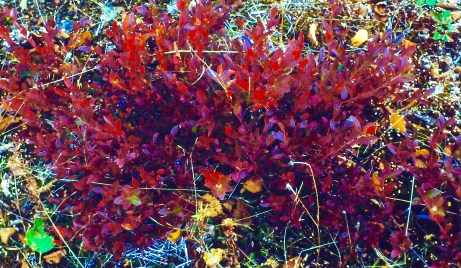
    BlueberryFoliageRedFallColorBlueFruit

    Rich Red Fall Colours Of Low Growing Blueberry Foliage As Part Of The Ground Cover In The Ecological Sustainable Plantscape Horticultural Garden, Central Newfoundland.

  • The increased physical activity, fitness and better health results from gardening, weeding and hand pruning which includes stretching, pulling, reaching, walking, bending, hoeing, shoveling, squeezing and lifting using all the muscles. It is recommended that stretching exercises be done before gardening. Gardening can be incorporated into the cardio-vascular exercise program to keep fit, lower blood sugar and bad cholesterol plus raising good cholesterol, keeping weight and blood pressure down. This form of physical activity has a number of advantages in that there is not a problem of shin splints or heavy pounding on knee and hip joints.