
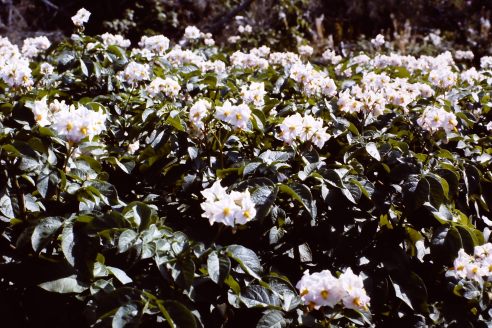
A Weed is a Plant in the Wrong Place Or Position. A Potato Plant in a newly seeded Forage Field could be called a weed in this particular case. The Potato, A Healthy Nutritious Cultivated Food Plant is not therefore normally a weed.
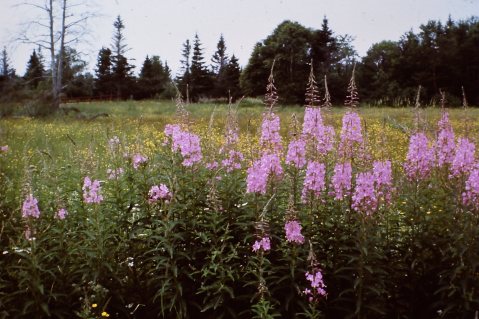
Fire Flower, The Floral Emblem Of The Yukon Territory, In Full Bloom. This Plant As Described Is Not A Weed !
The Fire Flower, Chamerion angustifolium, Great Willow Herb, a perennial herbaceous plant in the willow herb family Onagraceae is sometimes called a weed. The Fire Flower makes Premium Honey by Honey Bees in The Peace River Country of Alberta & British Columbia. The Distinctive Bright Red/Pink Flower is commonly found in Newfoundland & Labrador plus it is the Floral Emblem of the Yukon Territory of North West Canada. For these Beneficial & Legitimate Reasons, The Fire Flower Is A Beneficial Wild Plant & Is Definitely Not A Weed.
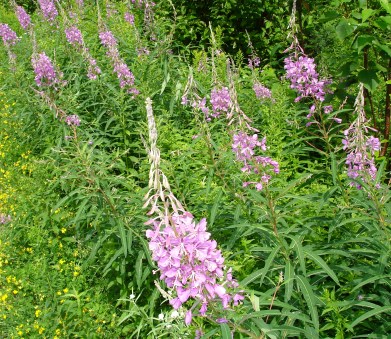
Fire Flower In Full Bloom.
The Plant Or Herb of Dill, Anethum graveolens, commonly used as a Herb or Spice in pickling cucumbers, red beets or in sauces for different foods like salmon. For these reasons, When Used Beneficially As A Food Plant or Herb, The Dill Plant Is Definitely Not A Weed.
We have an array of alternative Beneficial Plant Utilization Categories to be considered before designating a particular Plant a weed. What should be determined, is what kind of a Plant in what category a Plant truly belongs to? Does the Plant belong to a Beneficial Plant Utilization Category as in the following: Beneficial Plant Utilization Categories; Examples: Local Food, Herbs,
A] Indigenous/Wild/Native Plants Low Bush Blueberries; Raspberries, Strawberries, Chives, Mint

Wild, Native, Indigenous Strawberries At Peak Harvest. These Strawberry Plants Are Growing With Other Indigenous Plants Which Are Natural, Beneficial & Are Companion Plants Not Weeds.
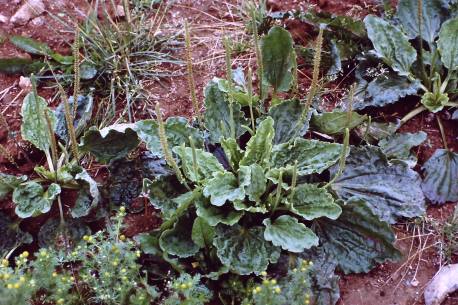
B] The Centre Plant With The Vertical Flower Heads & Seed Stocks Is Plantain, A Medicinal Plant. The Other Plants Growing Here Are Compatible Beneficial & Companion Ground Cover Plants & Are Not Weeds.
B] Medicinal Plants: Plantain, Red Clover, A Legume.
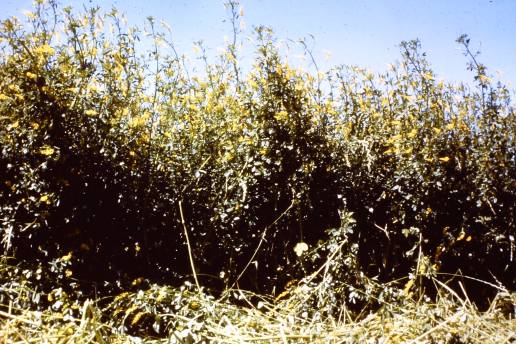
C] Yellow Blossom Sweet Clover 5-6 Feet Tall Being Cut For Feed To Dairy Cows.
C] Soil Enrichment Plants: Yellow & White Blossom Sweet Clover, Legume Plants.
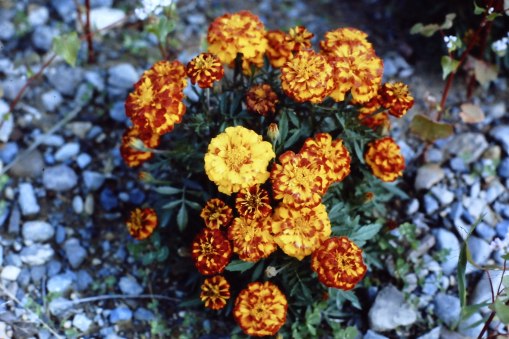
D] Marigold Flower Thwarts Off Sucking Insects For the Benefit Of The Neighbouring & Companion Plants.
D] Companion Plants Thwarting Off Insect Pests From Neighbouring Plants: Marigold, Onion, Garlic
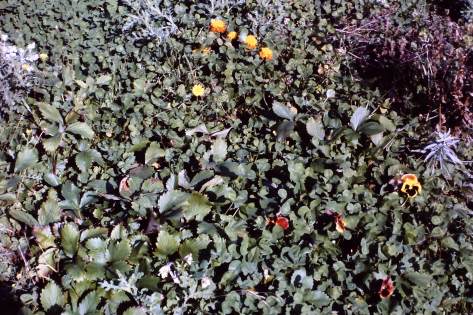
E] White Clover, A Legume Nourishing The Native Strawberries, Marigolds & Pansies Plus Growing As A Living Mulch Keeping The Weeds Down.
E] Living Mulch & Soil Fertility Enhancement Plants: White Clover, A Legume.
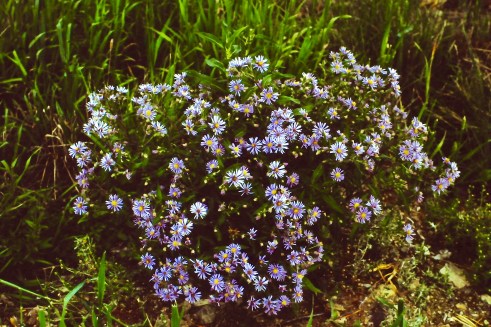
F] Native Purple Aster In Full Bloom.
F] Wild Flower/Native or Indigenous Plants: Rhododendron, Kalmia, Orchid, Purple Aster
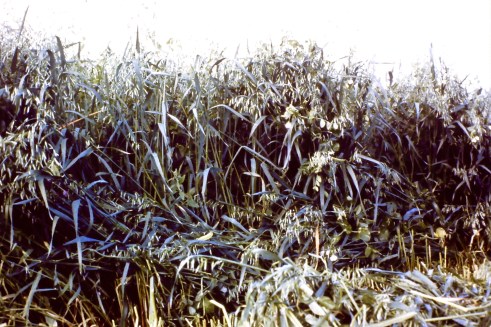
G] A Healthy Oats, Peas & Vetch Soil Improvement Combination Plus Feed For The Dairy Cows. A Sustainable Crop Fed By The Legumes Peas & Vetch With The Liquid Plant Food Of Dairy Manure & Milk Parlour Soapy Wash Water Irrigated By Sprinkler To The Soil Before Planting.
G] Soil Structure Enhancement Plants: Oats, Fall Rye, Alfalfa+Timothy
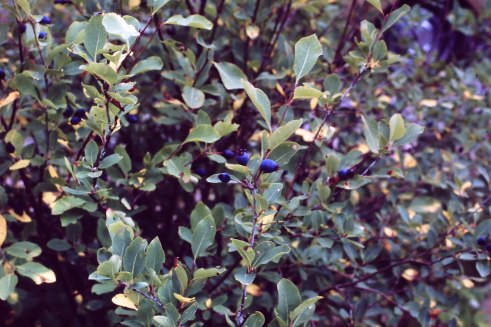
H] A Native Saskatoon Shrub With Edible Ripe Pear Shaped Blue Fruit.
H] Fruit & Ornamental Plants: Native Shrubs Elderberry, Saskatoon

J] The Queen Of Forages, Alfalfa, A Healthy Robust Legume Crop With No Weeds.
J] Drought Tolerant
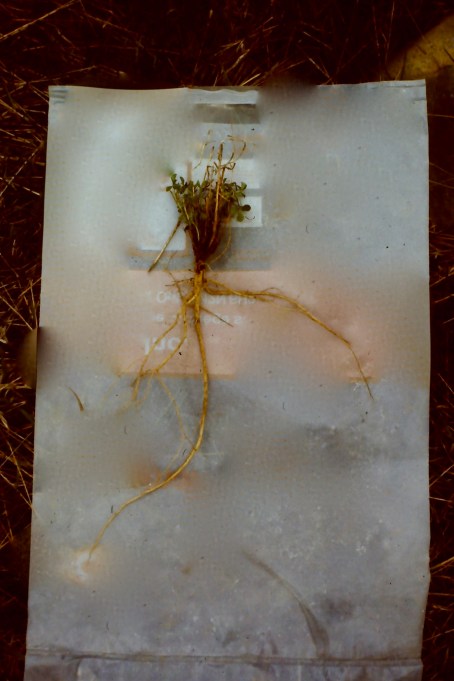
A Young Healthy Alfalfa Plant With An Extensive Penetrating Root System That Can Grow Down & Across 6 Feet In Both Directions.
Ground Cover Plants:
Alfalfa+Crested Wheat Grass.
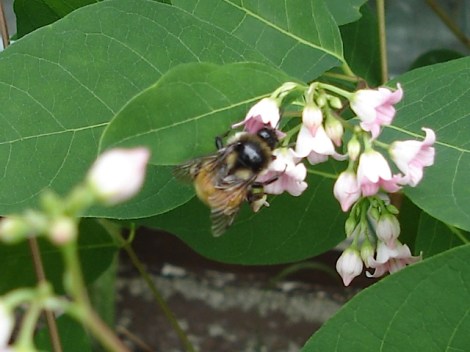
K] Wild Bee Pollinating The Flower Of The Flowering Dog Bane Plant.
K] Honey Producing Plants: Fire Flower, Flowering Dog Bane, Pumpkin, Squash & Cucumber Flowers.

L] Bird’s Foot Trefoil, A Legume Plant Grows Well On The Slope After Land Alterations Where The Top Soil Is Limited.
L] Soil Stabilization Plants On The Slope: Bird’s Foot Trefoil, Alsike Clover [Legumes] plus Annual & Perennial Rye+ Creeping Red Fescue Grasses.
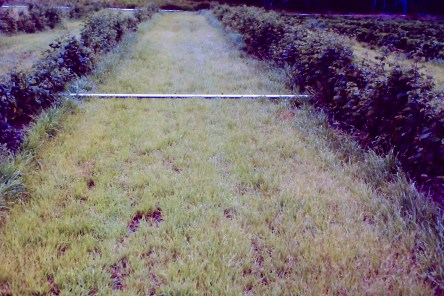
M] A Grass Cover Crop [Especially With A Legume To Feed The Grass] Growing In Between The Raspberry Rows, Clipped 2x A Year Keeps The Weeds Down.
M] There could be other examples of the right Plant Utilization Categories being used as we become more knowledgeable & familiar with a particular plant in our environment. Quite often a plant is called a weed because little is known about it or it is not common in a particular part of the world where we live.

N] The Native Orchid, Lady’s Trusses In Full White Bloom Is Growing Amongst The Native Strawberries In The Ecological Sustainable Garden. Because It is Not Mowed Like A Mono Culture Lawn, Nature Has Provided A Rare, A Little Known Or Appreciated Secret Blessing That Is Very Difficult To Grow Even In The Greenhouse. This Orchid, A Rare Species, A Companion Plant & Is Not A Weed Here!
N] Land has been cleared for development & with the clearing all the inconspicuous, small & even the Native Fruiting Trees & Shrubs get obliterated in the devastating process, particularly if it is done after the deciduous leaves have fallen. No Plants, Shrubs or Trees are healed in & put aside for later use in the Land- & Plant-scaping process as is done with the Rich Black & Dark Brown Top Soil in North & Central Alberta around Edmonton.
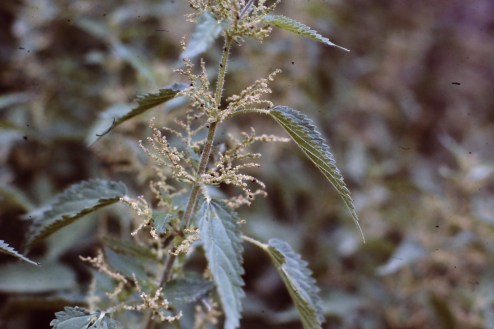
O] The Stinging Nettle Plant Is A Valuable Food & Medicinal Plant. Although It Originates From Europe, It Does Very Well Here. If The Beneficial Plant Is Not Utilized Or Its Attributes Are Unknown, It May Be Called A Weed.
O] If the plant is a Noxious or Invasive Species & is troublesome, then the term weed could legitimately apply. However, may be its purpose or the advantages are not completely or commonly known?
.
Refer To The Key Section: Under The Category, The Sustainable Lawn, “The Objectives And Benefits To Positively Affect Climate Change And Health”
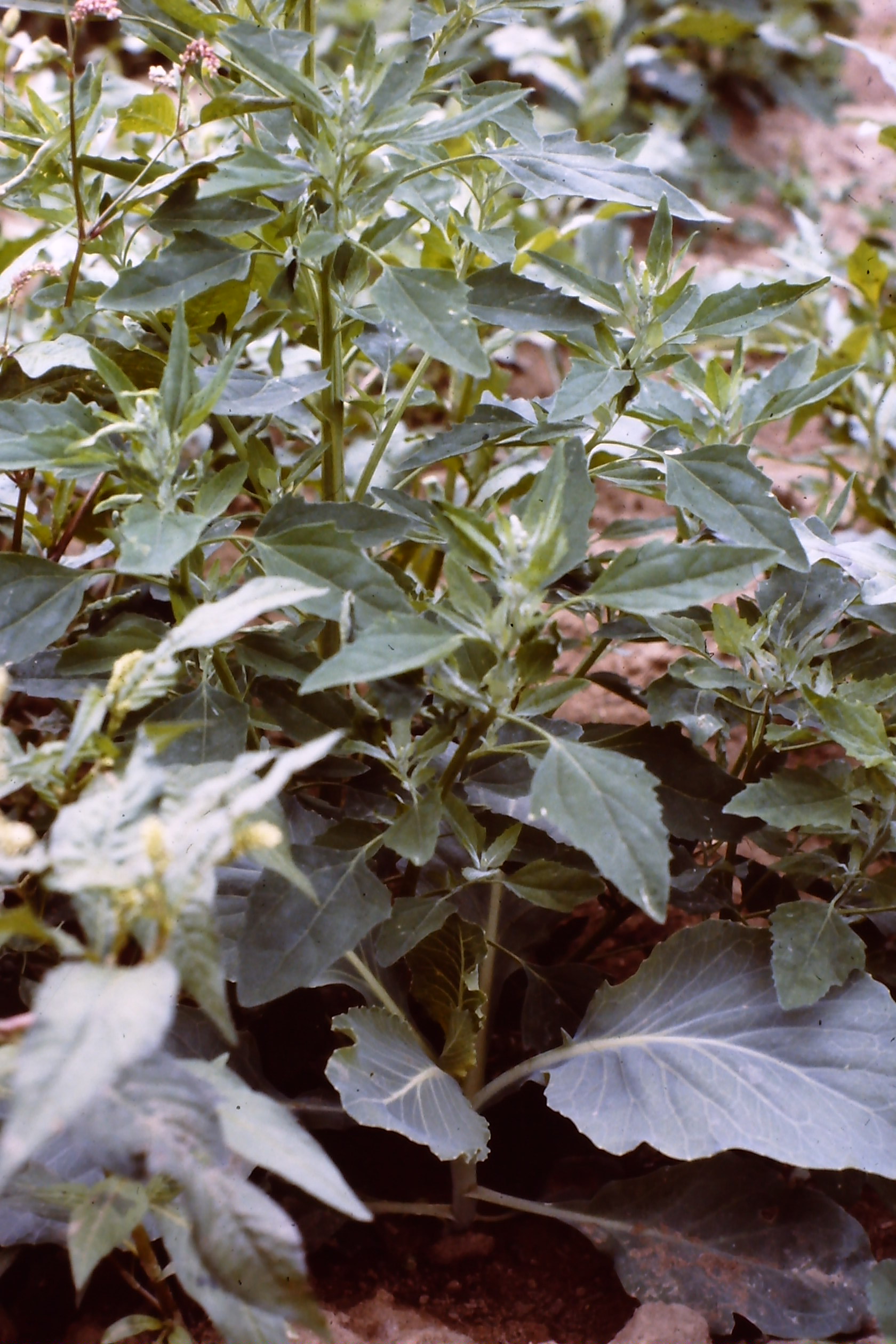
![Rutabaga [Fall Turnip] & Lamb's Quarters, Both Excellent For Early Season Greens In Salads & Cooked As Spinach](https://thesustainablelawn.com/wp-content/uploads/2015/11/rutabaga-lambs-quarters-339.jpg)

 The Sustainable Lawn