Latest Entries »

Discarded Weeds & Leaves

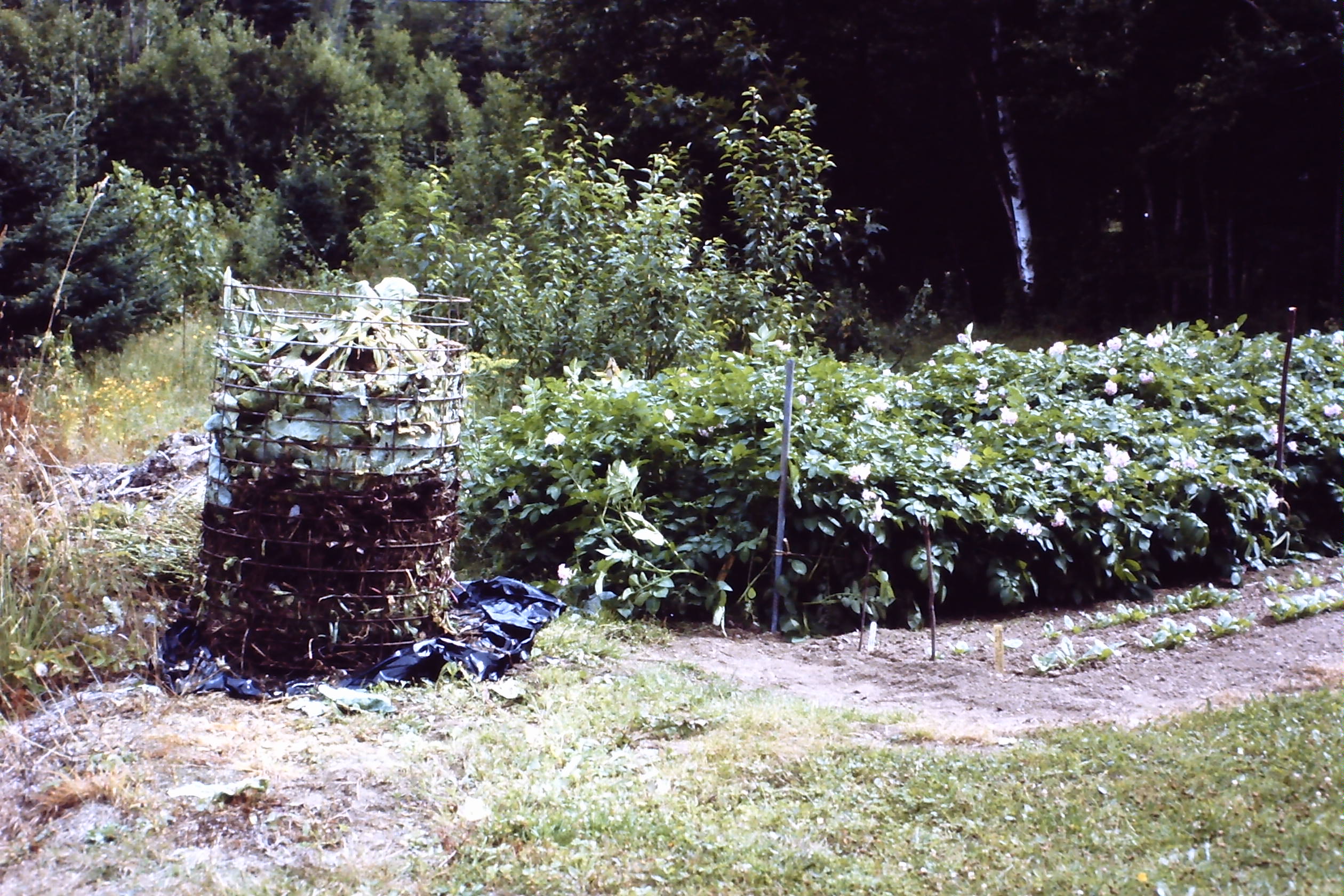
Composting  Leaves, Weeds & Vegetative Material In A  Wire Mesh Bin.

Why Reduce, Reuse, Recycle & Recover By Composting, Mulching & Side Dressing ?   

  1. About 1/3 of the household waste is Biological & Organic in nature. The Biological Organic Material can be reused & recycled into the soil or composted to be utilized as free plant food.  This translates into more than a half of a metric tonne of Biological Organic Material produced each year per house hold from a family of four.
  2. The common fertilizer material or plant food before 1940 in food and feed production was Organic in nature; that is, blood and bone meal from livestock processing, algae/ vegetative material from the sea, animal and poultry manure from the barn or farm yard, crushed lobster, oyster, clam, mussel shells, whole fish and fish parts left over from processing.
  3. Some of the Biological Organic plant food products were mixed with hay or straw, sawdust, peat moss, or wood and bark chips as in animal bedding from the barn or the livestock pen.
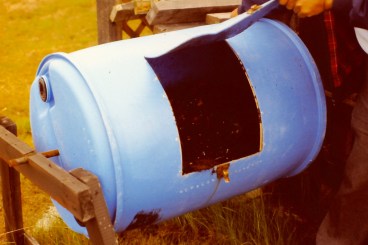
    Rotating Compost Bin With Handle & Flexible Lid

    Rotating Compost Bin With Handle & Flexible Lid For Easy Aeration In The Decomposition Process.

  4. The addition of Organic Fibre provided a bonus to the Organic Plant Food as Organic Matter to enhance the physical capabilities of the soil, known as a Soil Conditioner. The off the shelf commercial fertilizers do not contain this added component.
  5. In addition to the Major Nutrients of Nitrogen, Phosphate & Potash in the Organic Plant Food, there are the Minor Nutrients like Calcium, Boron & Magnesium. They are called minor because they are needed in lesser amounts but are just as important for healthy plant growth. The standard off the shelf commercial fertilizers do not contain any of the Minor Nutrients.
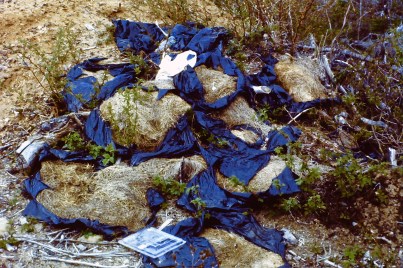
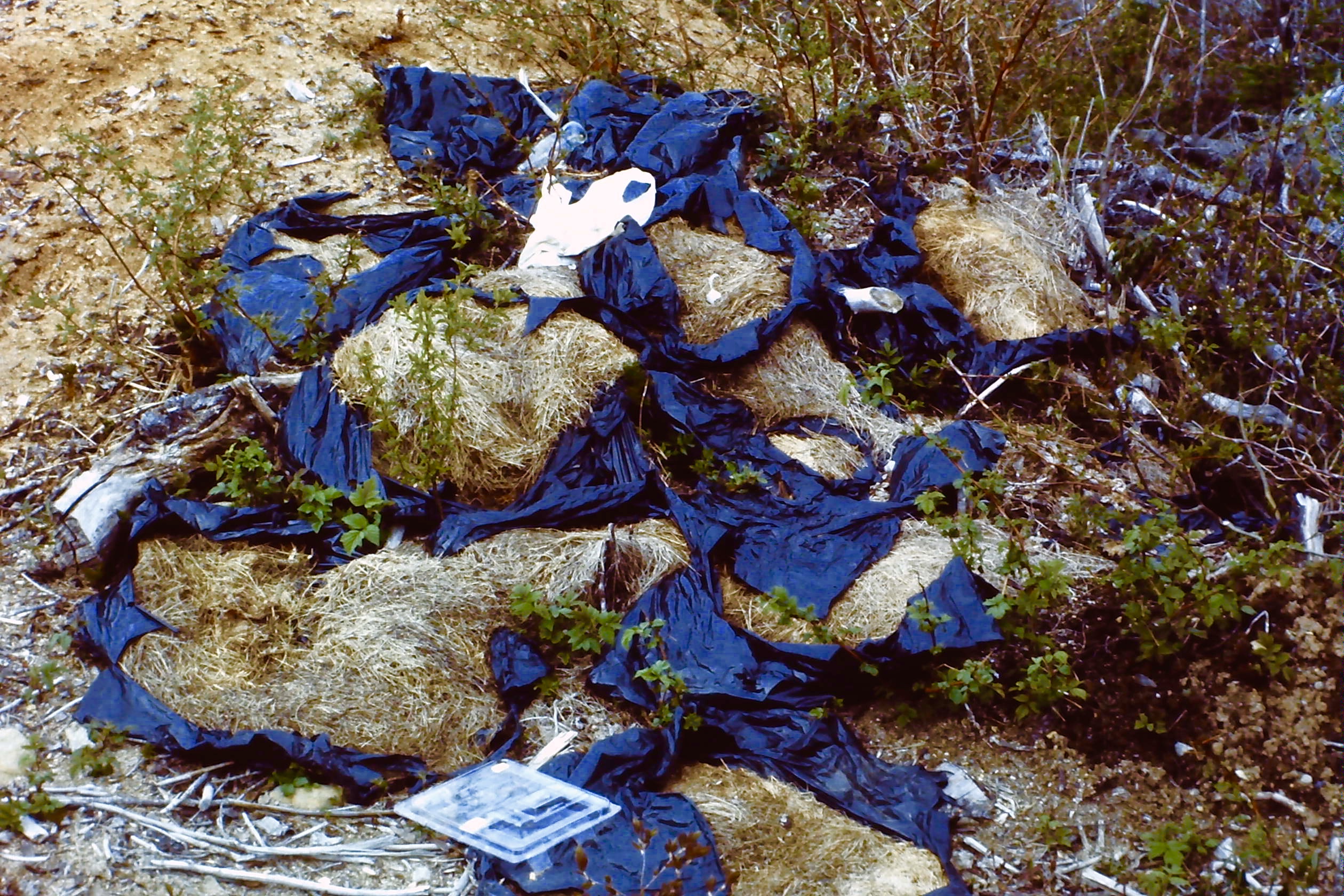
    Compostable Lawn Grass Clippings Dumped In The Woods

    Compostable Lawn Grass Clippings Dumped In The Woods Could Instead Be Well Utilized To Enrich The  Soil For The Growing Of Vegetables, Fruits & Herbs .  

  6. Organic Matter or Fibre that comes as a bonus with the Organic Plant Food is a valued Soil Conditioner, improves moisture retention, enhances nutrient availability & up- take by the plants. The added Organic Matter/Fibre conditioned soil is especially beneficial for plant growth during dry or drought periods.
  7. The costs of buying fertilizers are saved by turning leftover garden, kitchen and workshop wet & dry Biological Organic material into Organic Plant Food.
  8. Garden soil can be organically replenished  with Plant Food & Fibre from home gown compost.  The rich and crumbly chocolate-cake like product of decomposed Biological Organic Matter is highly prized.  No enterprising resourceful gardener would turn down the gift of free plant food.  That is what we do when we place a bag of kitchen scraps & yard trimmings at the curb-side as waste!
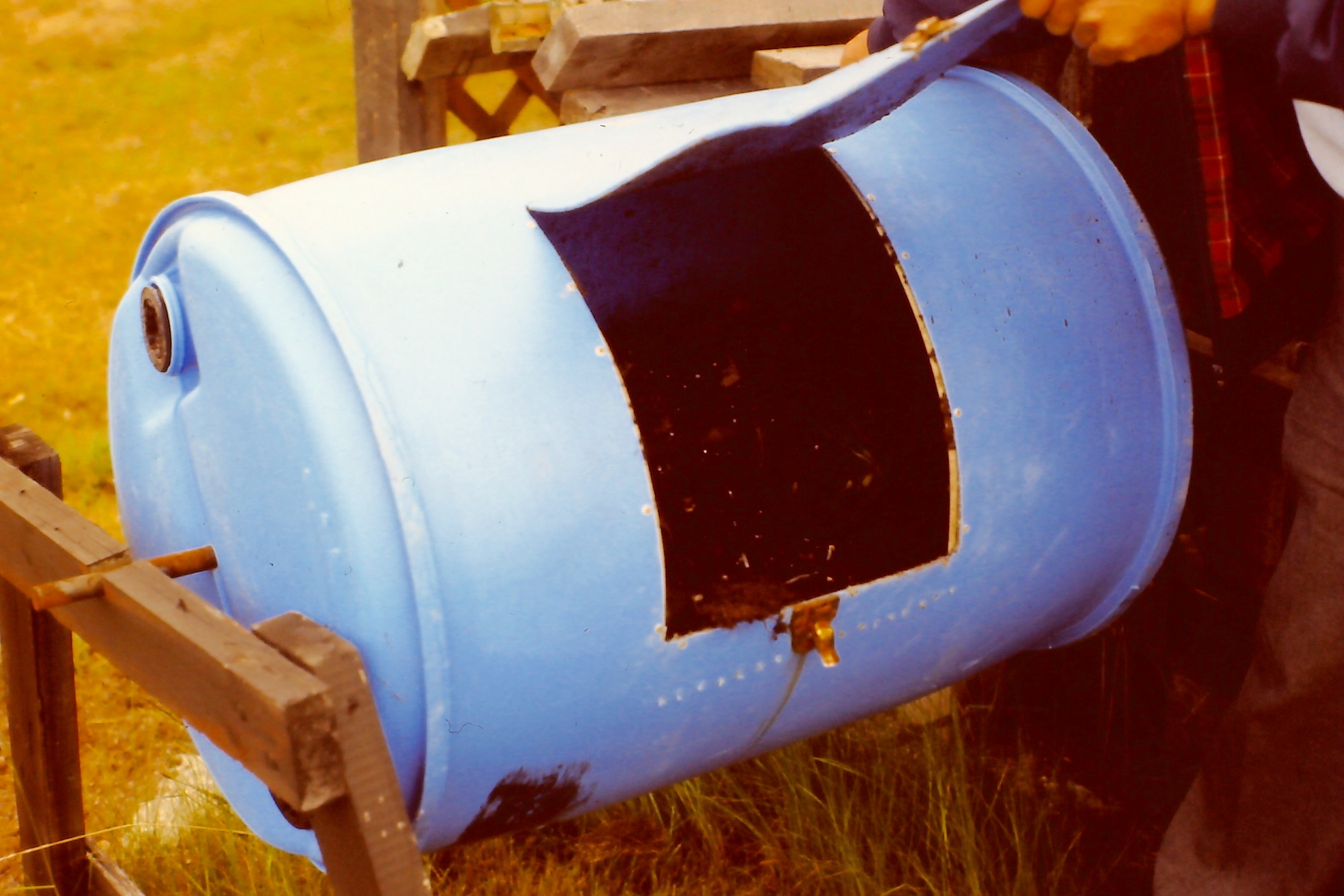
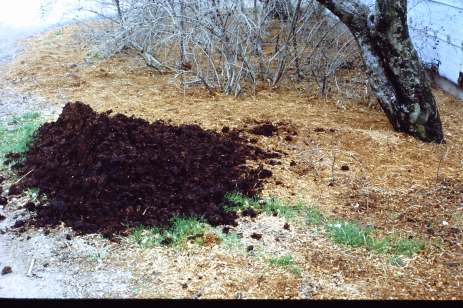
Composted Animal Manure Being Mixed With Saw Dust Mulch Around Plants & Shrub.

Composted Animal Manure Being Mixed With Saw Dust Mulch Around The Plants & Shrub.

Composting Discarded Bio-Degradable Material Has A Number Of Advantages:

1]  Reduces the space, waste and contamination of land for disposal sites.

2]  Reduces the labour & energy consumed by the elimination, transportation and disposal of discarded material.

3]  Reduces the need & costs for the manufacture, production, distribution and use of commercial fertilizer in the Lawn & Garden.

4]  Significantly reduces the Climate Altering Toxic Carbon Exhaust Emissions by reducing the energy spent on the elimination, transportation & disposal of discarded material.
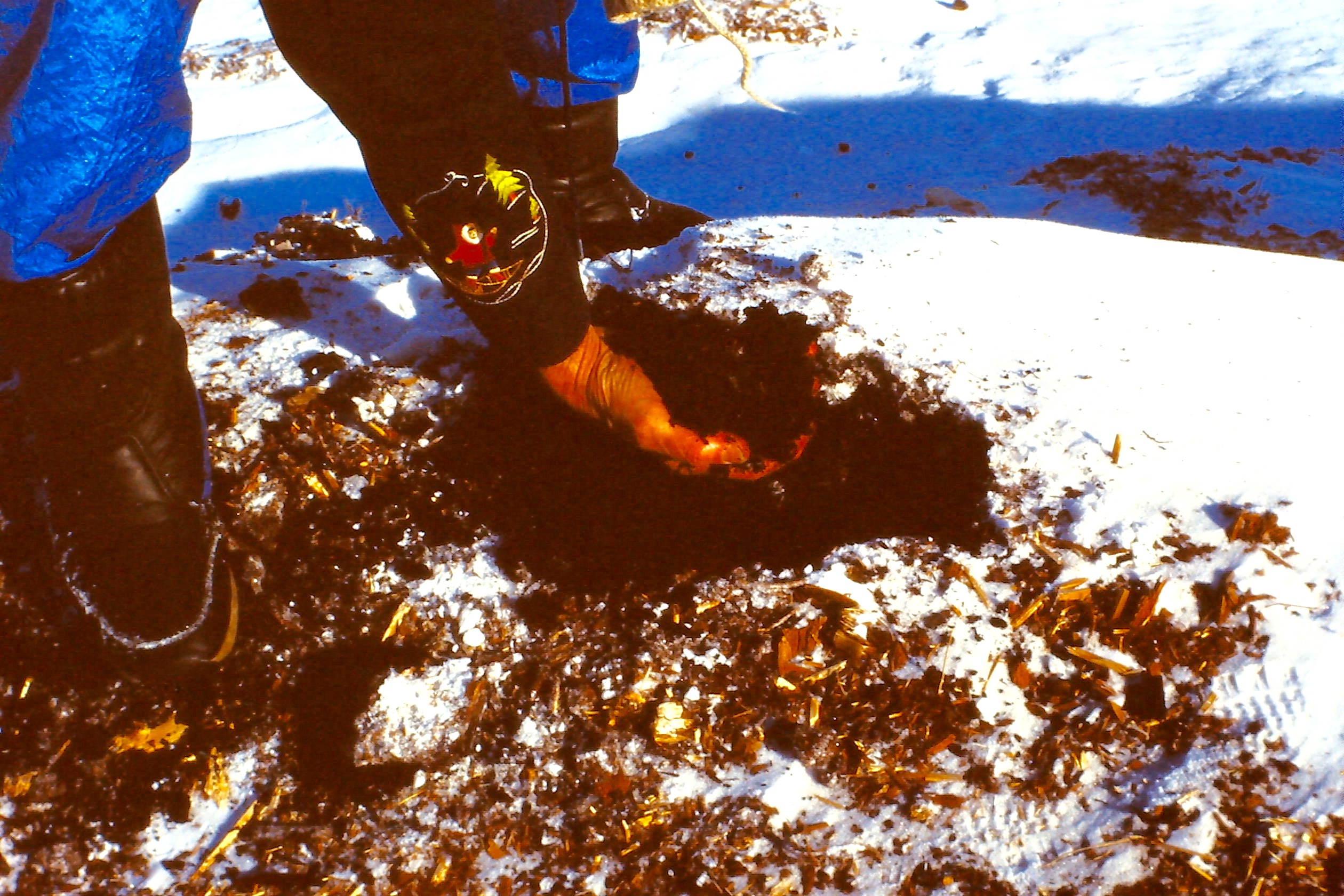
Large Compost Pile Of Bark Chips & Fish Parts, Still Working In The Winter With Steam Coming Off The Pile

A Large Compost Pile Of Bark Chips & Fish Meal, Working In The Winter With Steam Coming Off The Pile.

5]  Contributes to better growing conditions for plants by:

a] Enhancing the micro-organism activity in the soil.

b] Speeding up the natural breakdown process of the biological organic material into soil particles and nutrients.

c] Loosing heavy clay soils plus giving fibre content and organic matter to light  sandy, medium silty & heavy clay soils.

d] Stabilizing & balancing the soil with adequate moisture, air, mineral & organic matter  content.

e] Increasing the nutrients in the soil and their availability to plants.

f] Producing stronger plants that are less likely to suffer the damaging effects of the stress & stunted growth from drought.

g] Producing Healthier More Robust & Resilient Plants, Trees & Shrubs that are able to withstand to a greater degree the weakening effects & set backs from disease & insect pest attacks.

Composting Spent Hens [after laying period] With Peat & Top Soil

Composting “Spent Hens” [after laying period] With Peat & Top Soil.

 Boosting The Decomposition & The Nutritional Plant Food Processes Of The Compost 

  1. A warm sheltered site can be selected in partial sunlight that is well drained, close to the garden and household kitchen, with adequate working area and storage space for brown or high carbon materials of leaves, branches, twigs, shredded paper, wood and bark chips, sawdust, wood ashes and newspaper[ black & white].
  2. Some bulky material of straw, hay, branches and twigs can be placed on the bottom to provide drainage and aeration.
  3. To the pile can be added small pieces of brown or high carbon material of leaves, grass, plant stalks, stems, twigs, branches, wood and bark chips, sawdust, shredded paper, tissues, paper towels, rags, wood ashes, vacuum and dryer lint.
  4. A layer can be added of  wet green or high nitrogen biological organic material from the kitchen & garden of grass, leaves, vegetable material, orange and banana peels, broken tea bags, coffee grounds, crushed lobster, mussel and egg shells, broken with a shovel, animal, fish and chicken bones .
  5. The pile can be moistened to make the contents damp but not soggy, to the degree of a squeezed out sponge.
  6. Adequate air and ventilation is needed for proper decomposition by the beneficial insects and microorganisms like earth worms, centipedes, millipedes, ground beetles, sow bugs, and mites.
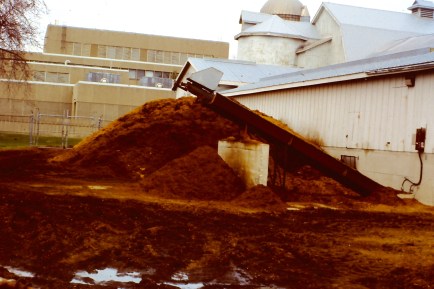
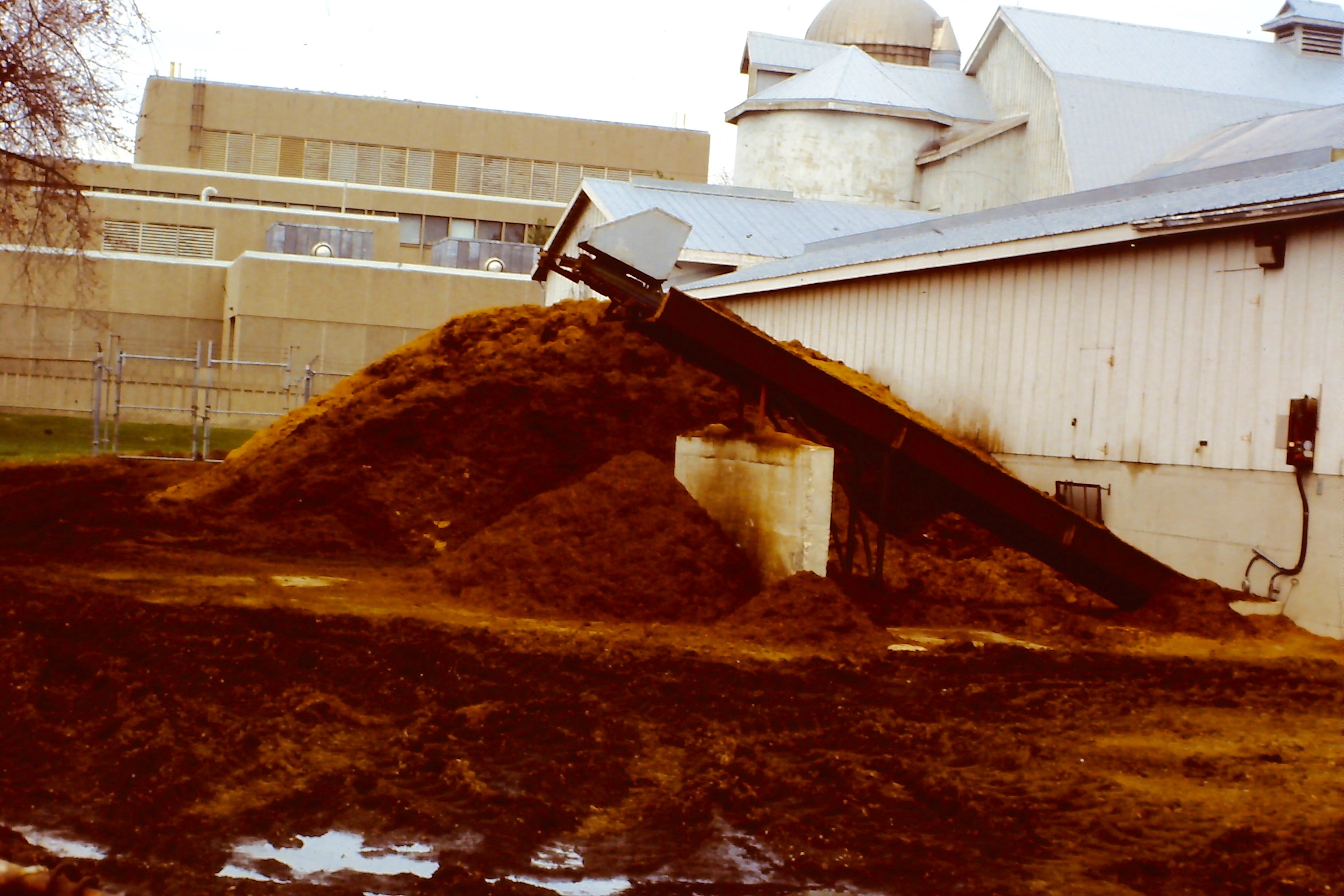
    Animal Manure With Straw Bedding Outside Dairy Barn

    Animal Manure With Straw Bedding Composting Outside Of The Dairy Barn.

  7. The dry brown woody Carbon Material of branches To the wet Nitrogen material from the kitchen or The Carbon-Nitrogen ratio is at least 3 or more to 1.
  8. A thin layer of animal or poultry manure and dark soil can be added to enhance the decomposition process with microorganisms and high nitrogen organic material.
  9. The layers in sequence are repeated starting with the brown or high carbon material followed by the wet green or high nitrogen material with manure and dark soil on top.
  10. After two weeks the pile can be turned with the contents being mixed to aerate the compost ingredients.  Decomposition with air ensures the compost is able to work properly, producing heat as it is cooking and breaking down the biological organic material.  There is no odour or smell associated with the cooking or aerobic process of decomposition as just described.

    Poultry Manure & Bedding Of Wood Shavings, Dried, With No Smell !

    Poultry Manure & Bedding Of Wood Shavings, Dried, With No Smell !

  11. Under good aerobic conditions of the decomposition or cooking process, temperatures of 55-75C are achieved in the bottom centre of the compost pile.  Temperatures of over 55 C in the compost pile kill weed seeds, insect pests and plant diseases.  The cooking or decomposition process with lots of air, breaks down the animal products to neutralize & eliminate any smell or attractant for scavenging animals & rodents.
  12. With the use of a garden or pitch fork the wet fresh green biological organic material from the kitchen plus some brown or high carbon material is added to the bottom centre of the compost pile so it is instantly covered and the cooking or decomposition process can resume.
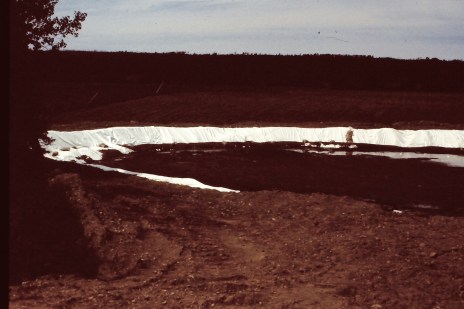
    Liquid Dairy Manure With Soapy Wash Water After Milking In The Lined Storage Pit For Manurirrigation On Forage Fields

    Liquid Dairy Manure With Soapy Wash Water After Milking In The Lined Storage Pit For Manurirrigation On Forage Fields.

  13. The wet fresh green biological organic material can be chopped into small pieces with a garden shovel and incorporated directly into the garden soil. Available fish parts or vegetative sea algae/ plant-like vegetation are especially good alongside the plants or rows of vegetables & fruits as a side-dressing of plant food part way through the growing season to stimulate enhanced plant & fruit growth.
  14. Soapy dish water contains Phosphates which are important for root growth. Thus the liquid can be added; a] after the application of the organic plant food side dressing. b] after trans planting of seedling plants, shrubs & trees as a starter fertilizer.
    My beautiful picture

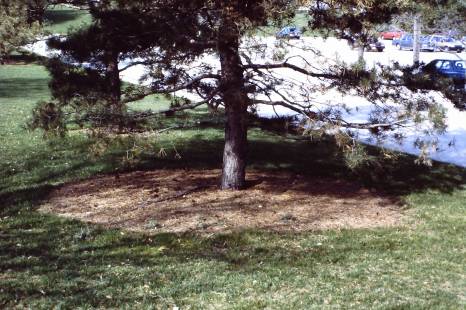
    The Mulch Of Bark Chips & Saw Dust Extended To The Branch Extremities Or To The ‘Drip Line’ Of The Pine Tree That Maintains Soil Moisture For Better Soluble Plant Food Uptake By The Feeder Roots Particularly In Dry Soil Conditions.

  15. Mulch Material is used around the base of  trees, shrubs, between rows of plants and in pathways. Such Material includes wood and bark chips, leaves, twigs, branches, shredded paper, wood shavings, sawdust & newspaper[black & white].
  16. The wet green biological organic plant food is applied first underneath the mulch  at the base around the trees, shrubs & plants. The organic plant food is mixed carefully into the top layer of soil on the surface, often by hand, so as not to damage the feeder roots of the perennial trees & shrubs  which are shallow & not very deep.
Refer To The Key Section: Under The Category, The Sustainable Lawn“The Objectives And Benefits To Positively Affect Climate Change And Health”
Say Yes To Organic Lawns

Say Yes To Organic Lawns is the title of a letter to the Editor by Linda C. King In the Grand Falls-Windsor Newspaper, Advertiser, Thurs. June 12,1997.  Ms.King was Head Physiotherapist & Owner of Aspen Physiotherapy. With a medical background she has reviewed the Medical Literature. She is alarmed & very concerned with the common practices to make the lawn prettier with Cosmetic Use Pesticides causing greater incidence of people becoming sick & dying. Ms. King quotes, Dr. June Irwin of Pointe Clair, QC.”Your Neighbour can kill You & it is legal !”

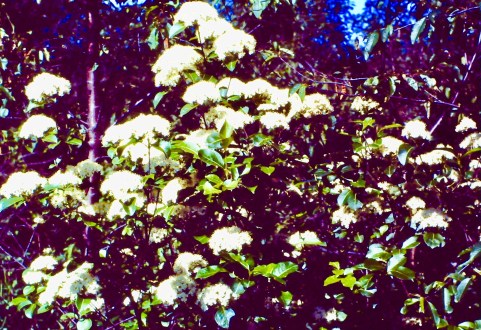
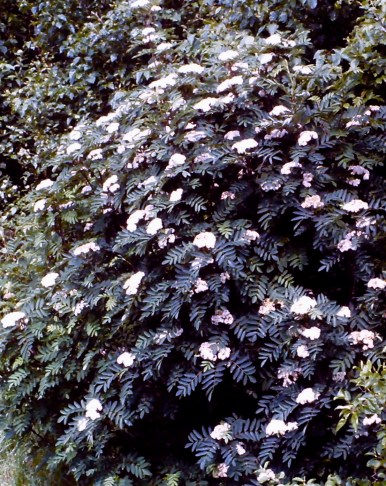
MountainAshBloom

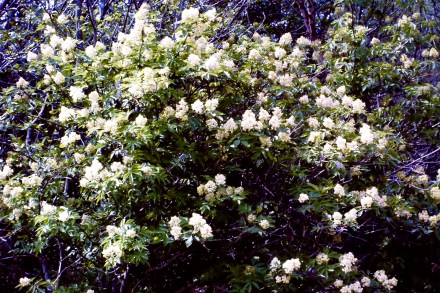
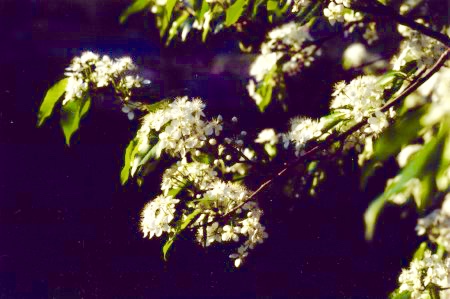
Mountain Ash, Dog Berry NL., In Full Bloom

Her research has led to the following startling revelations:

  1. Children in families of lawns treated with Cosmetic Use Pesticides have a 61/2x greater incidence of leukaemia verses those that are not exposed to the lawn Cosmetic Use  Pesticides.
  2. The following Medical Diseases & Disorders have been linked to Cosmetic Use Pesticides:  Allergies,  Asthma,  Genetic Mutations,  Neurotoxic Reactions,  Liver & Kidney Dysfunction,  Chemical Sensitivities,  Birth Defects,  Non-Hodgkins Lymphoma,  Cancer Clusters in Communities.

Not Satisfied That Pesticides Are Safe

A Letter To The Editor, titled, Not Satisfied That Pesticides Are Safe, in  the Advertiser Newspaper, Grand Falls-Windsor, NL. April 2,1998, by Ms. Linda C. King, Head Physiotherapist & Owner Of Aspen Physiotherapy wrote;

A Natural Lawn free of toxic chemicals, like Cosmetic Use Pesticides, is less expensive, just as beautiful & more satisfying, especially when you know that you have not been responsible for poisoning your family & neighbours according to Linda King.

Her son worked with a lawn care company. He was not trained in the use of these potentially dangerous chemicals. Jonathan was told, that,

  1. The Pesticides used on lawns were virtually harmless,
  2. Not to wear protective clothing as it would frighten the lawn clients.

Linda King stated emphatically, “Nobody can convince me that my son was not a victim of pesticide poisoning which led to his death!”

Jonathan King died Jan.1997 of leukaemia. A tribute was paid to him by a best friend & her sister in an article from the Advertiser, Mon.Jan.12, 2012.

Linda & Wayne King, Community Activists For The Banning Of Poisonous Cosmetic Use Pesticides On Lawns.

Linda & Wayne King, Community Activists For The Banning Of
Poisonous Cosmetic Use Pesticides On Manicured Lawns,                                         Grand Falls -Windsor, NL.

A Better Tomorrow, At First Glance

The following Chemical Pesticides, according to the Department Of Environment & Conservation, are no longer permitted for use on lawns in Newfoundland & Labrador as of May 1, 2012. The active ingredients include 2,4-D, Mecoprop, Dicamba, MCPA & Carbaryl or the chemical insecticide Sevin.

The regulations apply to everyone, including:

a] residences, houses, apartments & condos

b] commercial business & cemeteries

c] government office buildings, ball fields & parks

d] institutions of schools, recreational centres, hospitals & long term care facilities.

The news release of April 30, 2012 in the Grand Falls-:Windsor Advertiser indicated that the Department of Environment & Conservation, Government Of Newfoundland Labrador wants to reduce the unnecessary use of pesticides on lawns.

Not Yet Out Of the Woods

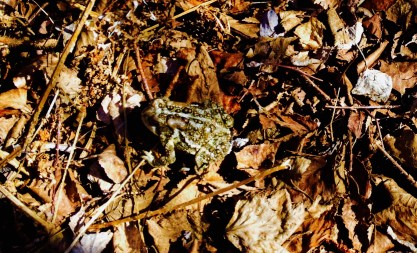
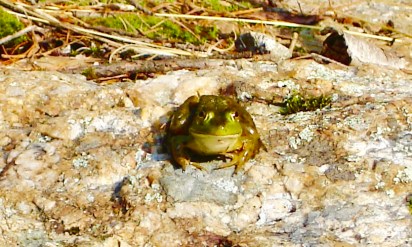
Frog

Amphibians Like Frogs Above Or Toads Represent ‘The Canary In The Coal Mine’ In Terms Of The Quality Of The Soil, Air & Water. Is the Environment Safe For Our Children & Pets Which Put Things In Their Mouths From The Lawn & Garden ?

Herbicide Use Is Unacceptable, The Provincial Government Has Other Options, is the title of a letter to the Editor of the Advertiser, Grand Falls-Windsor, NL. Mon. Aug.13, 2012 by  Dr. David Saltman, Chair, Oncology Discipline, Faculty Of Medicine, Memorial University of Newfoundland, St. John’s. He states that The Newfoundland & Labrador Government’s decision to continue with an indiscriminate spraying program using 2,4-D to control woody plants along roadsides is irresponsible & illogical. This is in the light of the recent amendment of the pesticide bylaws to ban the same chemical for Cosmetic Lawn Use in the province. The continued use by utility companies to control plants on utility right of ways is of equal concern. The government’s response is that the chemical is being used in a safe manner.

If the rationale is to ban the same chemical from the use on lawns because there are safety concerns, then why is the road side spraying a chemical with known carcinogenic potential that has the ability to negatively affect the health of many species, including our own, any less of a concern, questions the Oncologist.

Toad

The Toad Population Seems To Be On The Come Back In The River Valley Of Central Newfoundland In 2016, Since the Banning Earlier Of Cosmetic Use Pesticides On Lawns In The Province.

Herbicides, including 2,4-D have tremendous drift potential, which can result in the chemical showing up in food & feed producing areas, rivers & streams plus urban areas far from the initial road side applications.

This particular herbicide, like many others, has the ability to negatively impact hormone levels & the immune system in exposed humans. It is a suspected cancer causing agent  or carcinogen, according to the concerned Cancer Researcher.

The same chemical, when used on lawns, has been associated with bladder cancer & lymphomas in dogs & would be expected to have similar effects on foraging wild animals in & around the forests, according to the Oncologist.

fullsizeoutput_2acf

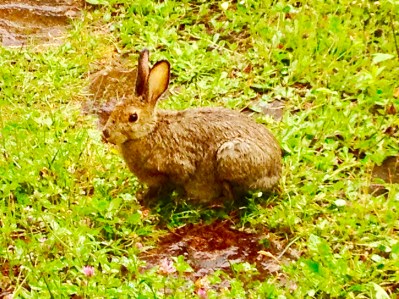
Snow Shoe Hare Having At His/Her Feet An Abundance & Variety Of Nutritious Greens Including Low Growing Clover As Part Of The Sustainable Lawn. In The Farming Community This Is Termed ‘Strip Grazing’ Where The Fence Is Moved Around To Keep The Grazing Animals Well Supplied With Fresh Greens, Forage Or Feed.

Although there is not a strong association between 2,4-D & toxicity in birds, it can impact the avian species by destroying plants they use to feed on, for nesting & shelter.

Other species that have been shown to be negatively affected by this chemical herbicide are fish & amphibians.

There are enough concerns regarding the effects the 2,4-D herbicide can have on our health & the health of other species, states Dr. Saltman, for the government to immediately halt this spraying program & start to look at less toxic & more innovative strategies to responsibly manage our road ways & utility right of ways.


Tree Planting

Grand Falls-Windsor Develops An Environmental Awareness Policy, is the title of an article in The Advertiser, Grand Falls-Windsor, NL. Thursday Oct.1,1992. This newly instituted Environmental Awareness Policy is part of the town’s development plan. According Mayor Walwin Blackmore, The Town’s Goal is to provide for the Health, Safety & Enjoyment of its people by promoting the area as a good place to live & a good place to visit.

fullsizeoutput_2db0

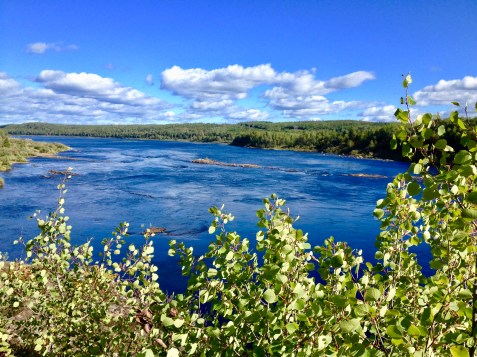
One Of The Largest & Productive Atlantic Salmon Rivers In North America Runs ” Wild & Free’ Through The Heart Of  Grand Falls Windsor & Central Newfoundland, 

To achieve this Goal, the town developed a program to improve the Environment. Included is a Tree Planting & Protection Policy for existing & new developments of public & private property. Residential, Government, Business, Commercial, Industrial & Institutional property owners are encouraged to initiate environmental enhancement plans. To protect the trees in town, a permit is required to cut trees on private & public areas.

We are saying hold on to the trees because there is more to our town than pavement, streets & buildings, according to Mayor Blackmore. It is all part of making our town more attractive. There also does not seem to be a great deal of concern about protecting our forests. We depend on it, so why shouldn’t we be promoting & protecting it? Grand Falls-Windsor is a community because of its trees! We live in an age when preserving the Environment is constantly being promoted.

CherriesChokeRipe

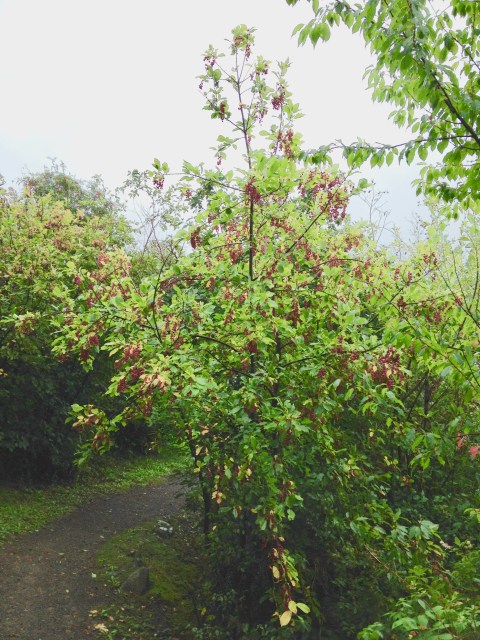
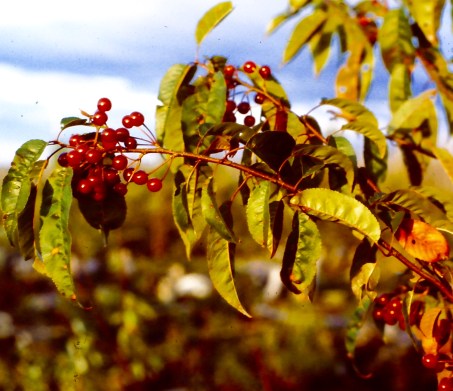
Along The Hiking Trail In Town Adjacent To The Salmon River Are Clusters Of Deep Red Ripe Choke Cherries.

Ceremonial Tree Planting is being encouraged to designated areas following a predetermined plan for an appropriate system of planting. A register is being kept of the Tree Planting with the date, occasion & people involved in the ceremony.

Recycling

The Recycling of waste materials, initiated & operated by the Kinsmen Club, is also included in the town’s Developmental & Environmental Plan. According to Mayor Blackmore in the fall of 1992, We want to promote Recycling & encourage people to drop off their waste at our Recycling Depot. We are supporting anti-litter campaigns by providing litter containers at various sites around town.

The central site is being expanded for handling used Christmas Trees. They are to be chipped so the wood chips can be used on organic paths in parks plus around trees & shrubs as mulch material to promote greater health & reduce the risk of drought.

IMG_0178

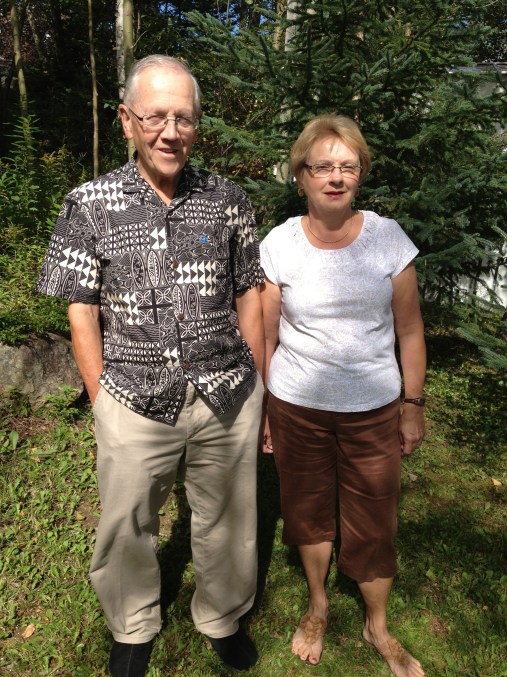
A Giant Bouquet To Jean & Walwin Blackmore, Mayor, Grand Falls-Windsor, 1992.

A location is to be provided to handle & store for later use Top Soil, gravel, stones, used concrete & asphalt pieces.

Adopt A Spot Project

According to Mayor Blackmore in the fall of 1992, We want a clean, environmentally sensitive town. Rather than the town workers picking up all the garbage, other people can be responsible for keeping particular areas of the town clean. Groups or individuals will be given the responsibility of maintaining & enhancing a portion of public property.

Notable Political Environmental Leadership

This is a Tribute to former Mayor Walwin Blackmore for exhibiting Foresight, Vision & a Leadership role with the Governance & Greening Up of the local municipality in adopting the Initiatives in the fall of 1992, namely, Tree Planting, Recycling, Composting, Mulching, the stock piling of Top & Sub Soil plus other landscape materials for later use in the Town of Grand Falls Windsor. The recognition includes his wife, Joan Blackmore for her sustained support of his Leadership, Dedication & Implementation of these important segments of the Environmental Awareness Policy in the Community.

We can reduce the Toxic CO2 Exhaust Emissions in the yard around the home where we, our children plus pets live, play & put things in their mouths plus the welfare & well being of the Elderly & Neighbours.

My beautiful picture

The Native Elderberry Shrub In Full Bloom About The Time The Schools Of Caplin Fish Migrate Into The Shore Along The Atlantic Coast Of Newfoundland & Labrador .

Consider the following Objectives:

  1. To reduce the contamination in the air, water & soil or lawn & garden,
  2. To maintain & improve the Quality of the Environment in the yard around our Home & in the neighborhood,
  3. To improve the health & safety of ourselves, our Young & Older Dependents plus to lessen the risk to the neighbours,
  4. To reduce the risk of suspect allergies, autism & mental challenges on the increase in our society, from continual exposure to Cosmetic Use Pesticides & Toxic Exhaust Emissions especially in the elderly, young people, newly born & soon to be born children.

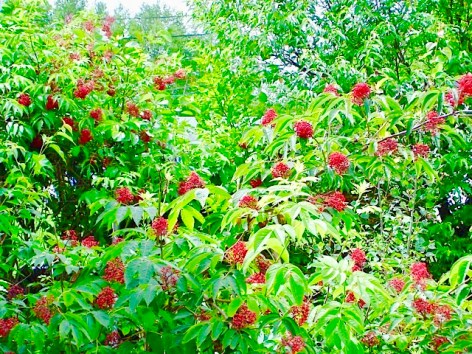
    Elderberry Ripe Red Fruit

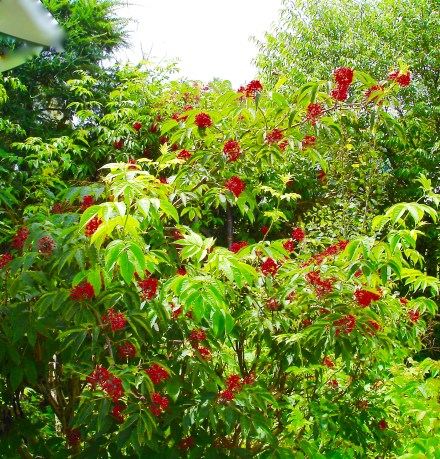
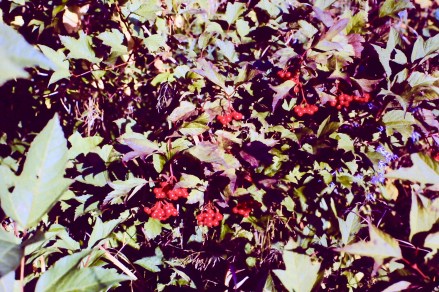
    Ripe Red Elderberries On A Healthy Native Shrub Free Of Pesticides, A Favoured Food Of Local & Migrating Song Birds In Mid August, Central Newfoundland.

Continual Exposure of Poisons & Toxins is Problematic to measure accurately. In the case of Pesticides or other Toxins, the Oral LD.50 & Dermal LD.50 are used to measure The Lethal Dose that Kill 50% of the rats in the sample from a single dose of the Poisonous Chemical from ingestion through the mouth as an oral dose or the single lethal dose absorbed through the skin as a dermal dose.

Continual Exposure of a Poisonous Chemical, includes applying a Pesticide without Protective Clothing & Equipment or with children & pets putting things in their mouths from the ground after it has been sprayed or dusted with a poisonous chemical over a period of time but is not measured.

fullsizeoutput_2b31-e1498503901799.jpeg

Native Northern Wild Raisin In Full Bloom As Part Of The Ecological Sustainable Plantscape Program, Central Newfoundland.

Even though a chemical is considered Safe & Non Carcinogenic by the Single Lethal Dose Methods, The Continual Exposure Rate is left out of the Analytical Diagnostic picture for the chemical !

The Safe & Non Carcinogenic Chemical over the long term could become Hazardous to the Health of Humans particularly to young children, pets & older people or to the Environment. For Example the wide spread use of DDT for Mosquito Control to reduce Malaria in Africa & in the Lake Country of Central Ontario where the diminishing populations of the Eagles, high on the Food Chain, was attributed to the spraying of DDT for Mosquito Control.

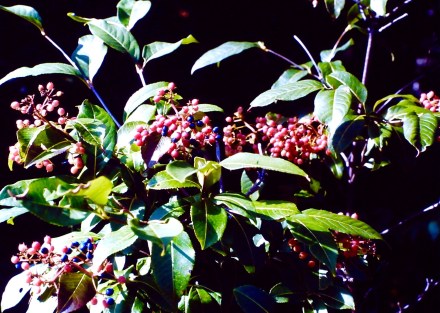
My beautiful picture

Berries Of The Native Northern Wild Raisin Ripening From Green To Red, To Very Dark Blue. The Song Birds Enjoy The Abundance With Many Missing Long Before the Berries Are Fully Ripened.

The accumulation of DDT in Mother’s Milk even in the Arctic where there has been no spraying of the Insecticide is a deleterious side effect.

In addition, the side effects to the Target Species plus to the Environment  may not become Fully Known until wide spread use shows what can happen & brings out the adverse consequences.

For example, thalidomide, a chemical taken for morning sickness in pregnant woman caused deformities in children whose mothers had taken the readily available chemical. The adverse effects did not show up in the beginning but when they did, it was catastrophe as many mothers & children were affected around the world.

OLYMPUS DIGITAL CAMERA

Are We Making Substantial Noticeable Sustainable Improvements To The Environment In Our Lawn & Garden Plus In Our Neighbourhood & Community For A Healthier Pesticide Free Next Generations ?

For many years this Drug, Thalidomide, was initially considered a safe chemical.

The Ways & Means that we can Reduce the Carbon Dioxide & the other Toxic Pollutants in the Exhaust Emissions are as follows:

  1. Increasing the cutting height of the lawn mower to the highest setting & prevent the grass from being cut too short in the hot weather of summer,
  2.  By not cutting the lawn at a fixed time each week regardless of the soil moisture & plant growing conditions,
  3.  Only cutting the lawn when there is adequate moisture from rainfall in the soil for the grass to regrow after cutting,
  4. Allowing the grass to grow between the cuts to its proper plant height for adequate leaf growth so the lawn does not turn yellow or brown after cutting,
  5. By not cutting the grass in the hot weather of summer as it is not growing under dry or drought conditions,
  6. Reducing the number of cuts per growing season over the lawn,

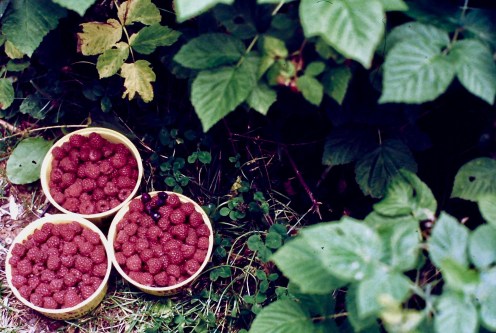
    fullsizeoutput_39c9.jpeg

    Raspberries Ripe Red & Native Saskatoons Ripe Deep Blue Are Produced From Shrubs With Clover Living Mulch & Ground Cover That Add Nutrition To The Soil & The Neighbouring Fruiting Plants.

  7. By spreading Organic Mulch Material around the base of trees & shrubs, out to the drip line or branch extremities, there by reducing the surface area of total lawn to be mowed,
  8.  By planting Native Fruiting Trees & Shrubs around the lawn & garden plus Native Ever Green Trees along the North side, North West & North East corners of the yard shelter & protect from cold winter Arctic Winds .
  9. The absorption of Carbon Dioxide & the release of Oxygen is dramatically increased
    My beautiful picture

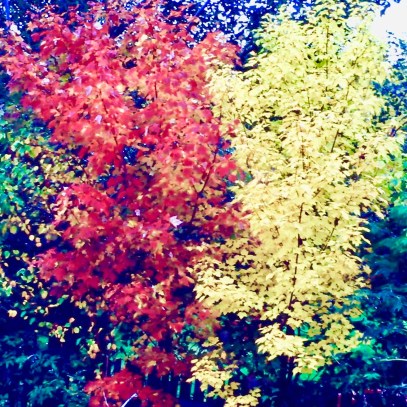
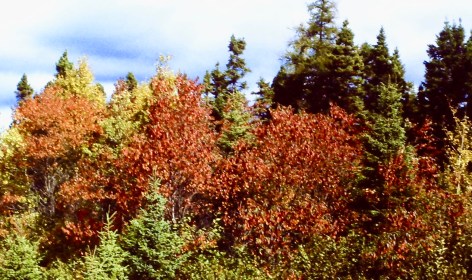
    The Many Leaves Of The Native Maple Trees Exhibiting The Characteristics Fantastic Fall Colours Add Significantly To The Ecological Sustainable Plantscape.

    by the expanded number of trees & shrubs through the Life Leaf Process Of Photosynthesis with the greatly increased amount of plant leaves in the vertical plane in addition to the horizontal ground level plane.

  10. The Additional Trees, Shrubs & increased foliage greatly aids in Purifying The Air In The Garden around the Home & Play Ground from the constant contamination of neighbouring Air Pollutants especially the ones referred to above associated with Manicuring The Lawn !

Refer To The Key Section: Under The Category, The Sustainable Lawn“The Objectives And Benefits To Positively Affect Climate Change And Health”


Reduction Equivalent Per Household Per Year

DSC00002 cropped

Colourful Low Growing Lawn With Low Maintenance & Low Pollution, Collage Of The North Atlantic, Grand Falls Windsor,NL

Lawn Mower Operations Before After Reduction
Frequency Of Mowing [Times/Yr.]      16     4
Grass Growing Season [Months]       5     5
Time To Mow The Lawn [Hrs.]       2     1
Fuel Used To Mow The Lawn [L/Hr.] 1.875 1.875
Toxic CO2 Exhaust Emitted From Lawn Mower [Kg/Household/Yr.]  141.6  17.7   123.9
Absorption By Trees Through Photosynthesis
Number Of Trees Planted      0    16
Average Carbon Sequestered By Trees Through Photosynthesis [Kg/Household/Yr.]      0   960    960
Reduction Of Organic Waste By Composting vs Transporting It Away
Organic Waste Produced [Kg/Household/Yr.]     438   438
Percentage Of Composting Of Organic Waste      0   100
Toxic CO2 Exhaust Emission Reductions By Composting Organic Waste vs     Transporting It Away [Kg/Household/Yr.]      0 1,095 1,095
Summary: Toxic CO2 Exhaust Emissions Reduction Per Household Per Year
Total Amount Of Toxic CO2 Exhaust Emissions Reduction [Kg/Household/Yr.] 1,218.9
Amount Of Amount Of Toxic CO2 Exhaust Emissions Sequestered Through  Photosynthesis [Kg/Household/Yr.]    960
Total Reduction Of Toxic CO2 Exhaust Emissions Reduction Per Household Per Year 2,178.9

1 Kg Of CO2/Household/Yr. = 4.7 Km By Car

1,220 Kg Of CO2/Household/Yr. = 5,700 Km By Car

DSC00003

Increased Bio-Diversity In The Ecological Sustainable Horticultural Colourful Low Growing Low Maintenance & Low Pollution Lawn Plus The Complimentry Deciduous Trees In The Plantscape, Collage Of The North Atlantic, Grand Falls Windsor, NL

Increased Bio-Diversity In The Colourful Low Growing Lawn With Low Maintenance & Low Pollution, Collage Of the North Atlantic, Grand Falls Windsor, NL

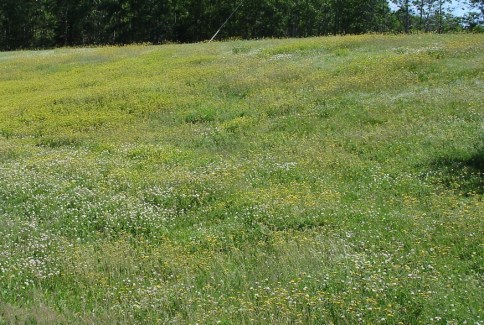
Increased Bio-Diversity In The Colourful Low Growing Low Maintenance & Low Pollution Lawn, With The Predominance Of Low Growing Clover Feeding The Neighbouring Native Hawk Plants & Others, Collage Of The North Atlantic, Grand Falls Windsor, NL

The Significance of the Table above is to show In realistic terms with simple steps forward how we as individual families can Reduce The Pollution & The Toxic CO2 Exhaust Emissions in our Lawn & Garden.The  Prime Objective is to make the Soil, Air & The Environment  around the home plus the neighbourhood with children & pets much Healthier & Safer!

At the end of the Table there are posted the equivalents of a car travelling in Kilometres to give a perspective for The  Toxic CO2 Exhaust Emissions Reduction Per Household Per Year .

For more Information see the section that follows in The Category The Sustainable Lawn:          The Objectives and Benefits To Positively Affect Climate Change & Health.


Letters of Support Index from Concerned Health, Educational, Business,
Environmental and Other Leading Community Organizations

  • Mr. Peter Dawe, Executive Director, Canadian Cancer Society, Newfoundland Labrador Division 2009
  • Dr. Donald Earle, DC, President, Newfoundland Labrador Chiropractic Association
  • Mr. James Feltham, President, Association of Registered Nurses, Newfoundland Labrador

    RhododendronBloom

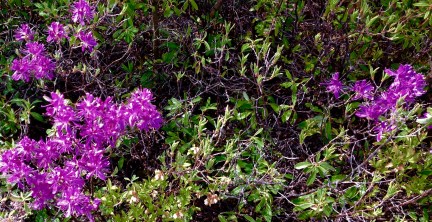
    Native Rhododendrons In Bloom With A Rich Vibrant Pink Colour, Central Newfoundland.

  • Ms. Bernadette Hanlon, Secretary Treasurer, Spel’Tek First Nation & Coordinator Louis John’s Hill Nature Preserve
  • Ms. Lynn Green, President, Learning Disabilities Association, Newfoundland Labrador.
  • Mr. Gary Vey, President and CEO, Gander International Airport
  • Mr. Steven Hazell, Executive Director, Sierra Club of Canada.
  • Mr. Greg Noel, Director Environmental Initiatives, Newfoundland Labrador Lung Association Inc.
  • Ms. Brenda L. Kitchen, Executive Director, Arthritis Society, Newfoundland Labrador.

    My beautiful picture

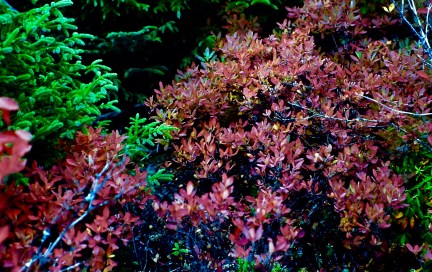
    Native Rhododendron Foliage Exhibiting Rich Red Fall Colours, Central Newfoundland.

  • Ms. Kimberley-Ann McDonald, Regional Program Coordinator, Autism Society, Newfoundland Labrador, South and Central Chapter.
  • Dr. David Saltman, Chair of Oncology Discipline, Faculty of Medicine, Memorial University, St. John’s, NL.
  • Mr. Gideon Forman, Executive Director, Canadian Association of Physicians for the Environment, Toronto, ON.


Objectives & Benefits To Positively Affect Climate Change And Health

The Sustainable Lawn With Reduced Toxic Carbon Exhaust Footprint

Objectives 

  • Do not cut the grass in the hot dry weather of summer occurring from June 15th to September 15th. The grass goes into a dormancy period and stops growing during the hot dry weather periods of summer.

    My beautiful picture

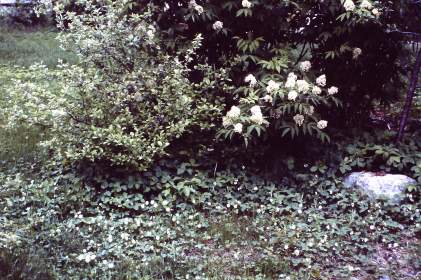
    Native Elderberry Shrub Plus Native Strawberry Ground Cover Both In Bloom With White Blossoms, In The Ecological Sustainable Plantscape.

  • Do not cut the grass too short especially on the knolls, crowns and hillsides. The highest setting on the mower is recommended. In terms of the health of the grass plants and having adequate green leaf blades for food manufacturing, the high setting on the mower is actually a low setting for the plants.
  • Do not cut the grass on a fixed day each week but cutting according to the amount of leaf growth and if the soil moisture conditions from rainfall are good for growth.
  • Entirely eliminate the use of poisonous cosmetic use pesticides.

    WEK_IMG004

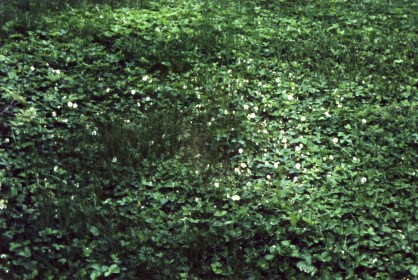
    Native Strawberry & White Clover, An Alternative Low Growing, Low Maintenance & Non Polluting Ground Cover/Lawn, Central Newfoundland.

  • Drastically reduce the climate altering toxic carbon exhaust emissions and noise pollution by the cosmetic manicuring of the lawn and garden with the use of gas powered machines. The gas powered engines include the riding and power lawn mower, buzz saw, trimmer, leaf blower, chain saw, rototiller and the machine used to spike or core the lawn.

Benefits

  • There is reduced capital and operating costs from less purchasing and operation of gasoline-powered machines.
  • Reducing the climate altering toxic carbon exhaust emissions is extremely desirable and commendable. The small engines contribute 20% of the toxic carbon exhaust emissions from the internal combustion engines.

    WEK_IMG020

    Lady’s Tresses, Native Orchids In Bloom With The Native Strawberry & White Clover In The Low Growing, & Non Polluting, Low Maintenance Ecological Sustainable Lawn, Central Newfoundland.

  • There is reduced noise pollution and the need for ear protection equipment from less use of riding and power lawn mower, buzz saw, trimmer, leaf blower, chain saw, rototiller and the machine used to spike or core the lawn.
  • A healthy environment is created by the reduction in air and noise pollution. Positive signs include;
  1. An increase in beneficial and pollinating insects, song birds and other wild life. This keeps insect pests down.
  2. A more quiet atmosphere and cleaner air to breathe.
  3. There is less contamination to ground and pond water.
  4. There is less wastage of potable drinking water.

    StrawBNativeRipeRed

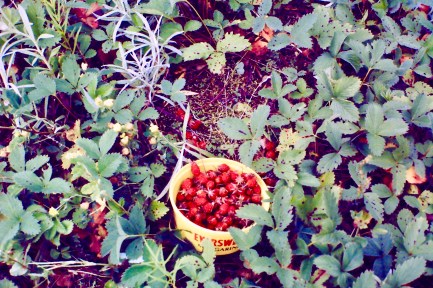
    Native Strawberries Ripe Red & Sweet. Low Growing Non Polluting Ground Cover With Low Maintenance Except For Picking & Eating.

  5. The reduced climate altering toxic carbon exhaust emissions has a positive effect on the climate change.


The adoption & incorporation of these steps is  focusing on a greener healthier sustainable lawn and garden. It could represent the right opportunity for an individual to contribute positively to affect climate change and reverse a common negative trend of polluting the air & soil.

Mulching, Composting, Organic Plant Food Plus Improved Soil Conditioning

Objectives 

  • Utilize the mulch produced by the garden on the organic pathways, around trunks of trees and the foundations of shrubs. Mulch material consists of grass, leaves, twigs, bark and wood chips, cut up branches and boughs. Mulching conserves moisture for the plant root systems so they can pick up the soluble plant food and allowing them to flourish properly. Mulch keeps the weeds down.

    RaspBerryFruitRipe

    Ripe Plump Red Raspberries Ready For Harvest & Eating. Planted In A Row, As A Border Or Boundary In The Garden Under Bright Sun Light.

  • Raking the lawn in the spring is not needed. Last year’s dead grass is this year’s plant food. The dead grass protects the plant crowns from drought and freezing temperatures. Raking the lawn damages and scars the plant crowns exposing them to the elements. Grass and leaves rot quickly during the growing season for a slow-release of plant food and makes the richest soil.
  • Collecting up the grass clippings after mowing is not needed. The grass clippings rot easily and provide a sustainable gradual release of plant food during the growing season. There is no volatilization, leeching and losses of plant nutrients. There often are heavy losses through volatilization and leeching with commercial fertilizers, particularly those that contain nitrogen.

    My beautiful picture

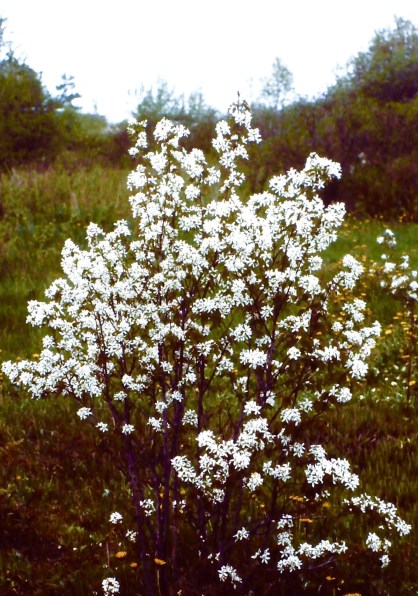
    Native Saskatoon Shrub In Full Bloom In Early Spring, Central Newfoundland.

  • Utilize the discarded biological organic material from the kitchen, garden and workshop for plant food, mulch and compost in the lawn and garden.

Benefits

  • The biological organic waste becomes something that is very useful and saves money. Reusing, recycling, mulching and composting of the biological organic material produced in the kitchen, garden and workshop is a beneficial and practical free plant food source. The biological organic compost is superior to chemical fertilizers. Compost not only contains the three major nutrients common in the commercial fertilizers but it also contains minor nutrients. Minor means in terms of quantity. They are equally important as the major nutrients but are needed in lesser amounts. The compost contains these minor nutrients plus fiber and organic matter that the commercial fertilizers do not contain. The fibre and organic matter is essential for the proper soil mix, moisture retention and nutrient availability to roots and plants when added to the soil in the lawn and garden.

    My beautiful picture

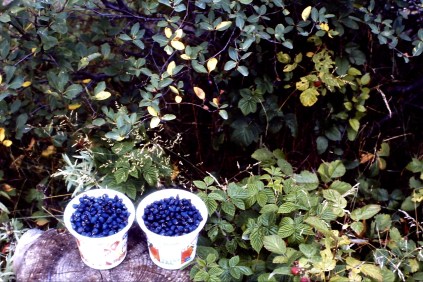
    Deep Blue Ovate Shaped Saskatoon Berries Ripening Early August In The Ecological Sustainable Plantscape Garden, Central Newfoundland. Saskatoon Berries Are A Key Ingredient In The Emerency Food Ration By The Native Plains Cree People Together With The Meat & Fat Of The Prairie Bison. The Birds Especially The Robins Love the Saskatoon Berries Too.

  • Increased water conservation and soil moisture results in increased availability of plant food and the health of the plants by the use of mulches and compostable products from the kitchen, garden, and workshop.
  • Drastically reduced and or elimination of gulls and crows opening up garbage bags at the roadside by;
  1. Diverting all biological organic material from the kitchen, garden and workshop  to the compost and garden soil.
  2. Separating all paper, cardboard and packaging for recycling.
  3. Washing and rinsing all the glass, plastic and metal containers for recycling.
  • These measures provide no attractant for the avian scavengers.
  • These steps taken prevent any biological organic material from ending up at the curbside for disposal. Two-thirds of the waste going into the landfill or incinerator previously, is biological organic in nature.  Reduced transportation and processing costs plus reduced climate altering toxic carbon exhaust emissions are a significant feature by not transporting the biological material in the community waste management and disposal system.

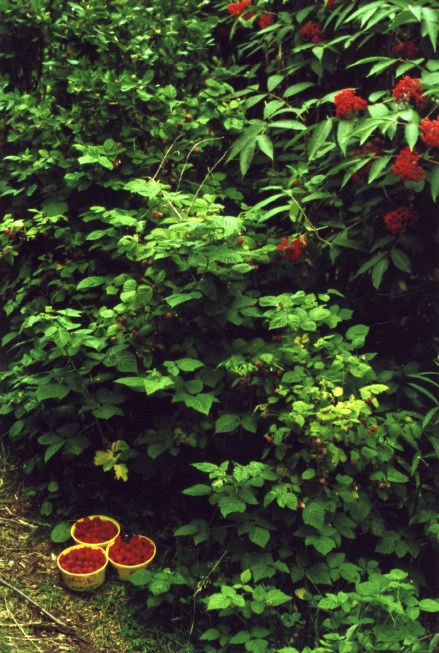
    Red Raspberry Fruit Picked Fresh For The Table; Native Ripe Elderberries On The Shrub Above, A Favoured Food Of Birds, Central Newfoundland.

    Plump Red Raspberries Picked Fresh For The Table; Native Ripe Elderberries On The Shrub Above, A Favoured Food Of Birds, Middle Of August, Central Newfoundland.

Bio-Diversity – Its Advantages

Objectives

  • Build a lawn consisting of a mixed array of plants rather than a grass monoculture. Having only grass is unstable, unsustainable, has very high maintenance costs and a high consumptive use of water. The array of different native plants in the lawn reduces the risk and severity of insect pests and disease infections such as the Chinch Bugs in the grass roots. No deadly insecticides or watering with the community’s treated drinking water is needed in a mixed plant culture.
  • Allow low growing white clover to flower, seed and spread. In areas that are thin and bare, white clover can be successfully seeded in the fall or spring just before a rain. The clover seed can be mixed with dry sand in the seeding for an even distribution. The low growing white clover feeds the grass and other native low growing plants so additional fertilizer is not needed.

Benefits

  • There is no thatch or matted grass buildup because of the bio-diversity of the plants in the lawn.

    fullsizeoutput_298e

    Ripe Red Elderberries On A Healthy Shrub Provide An Abundant Food Source For Local & Migrating Song Birds In The Ecological Sustainable Horticultural Garden.

  • There is increased health of plants in the lawn and garden with no synthetic chemicals or cosmetic use pesticides on the lawn. A robust healthy lawn with a variety of different plants that are allowed to grow, develop, and flourish without frequent low cuts, crowds out imported weeds and eliminates the dependency on herbicides or weed killers.
  • A reduction and prevention of insect pest and disease infestations is a very desirable situation to have in the lawn. Deadly insecticides are not needed; for example, Chinch Bugs develop primarily in the grass monoculture lawn.

Water – A Recognition of its Value

Objectives

  • The elimination of using potable drinking water paid for by the taxpayers of the community for watering established lawns. Rain barrels collecting water from the eaves and roof provide water for trees, shrubs and plants in dry weather or after transplanting. Soapy dishwater is a good source of nutrients and water for plants, especially, young establishing plants.

    BloomBlueberry

    Native Low Growing Blueberries In Bloom As Part Of The Ground Cover Plantscape In The Ecological Sustainable Horticultural Lawn & Garden.

Benefits

  • Increased water conservation and soil moisture results in increased availability of plant food and the health of the plants.
  • Steps can be taken to reduce the cost and wastage of potable drinking water paid for by the taxpayers of the community by not watering established lawns or hosing down the driveway, sidewalk and roadway.
  • The following water conservation practices result in increase soil moisture. The practices include;
  1. The use of mulches and compost in the lawn and garden.
  2. The collecting of rainwater from the eaves and roof.
  3. The use of soapy dishwater as a nutrient solution for watering plants, especially young establishing plants.

Elimination of Poisonous Chemicals

Objectives

  • Drastically reducing the use of chemical fertilizers and the elimination of poisonous cosmetic use pesticides. Leeching of nitrates from the fertilizers and poisonous chemicals from the pesticides contaminates the ground water.

    FruitRipeSetGood

    High Yielding Rich Coloured Blueberries Growing In Soil With High Organic Matter & Amongst Mixed Planting Offering Shelter, Protection & Increased Moisture Conditions. .

  • Poisonous fumes from the pesticides contaminate the air in the neighbourhood for unsuspecting animals, pets, birds and people, including children. These noxious fumes further aggravate the problems some people have with breathing. There is a risk of children putting contaminated objects or fingers in their mouths.
  • Severely reducing the use of treated wood such as with creosote as the poisonous chemicals are injurious to plants, animals including pets and children. Used motor oil can be applied to the wood for a few inches above and below the soil line to keep the wood from rotting where it is most susceptible.

Benefits

  • The reduced air and ground water contamination means a healthy environment to build a healthy community.

    My beautiful picture

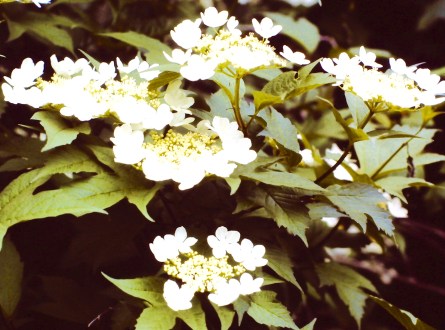
    Native Cranberry High Bush, Joint Wood Berry, NL In Bloom, Central Newfoundland.

  • Increased air quality and less breathing problems are significant positive results by not using poisonous cosmetic use pesticides and reducing drastically or eliminating the use of gas powered engines to manicure cosmetically the lawn. Reducing the toxic carbon footprint positively affects the climate change. Reduced costs and the toxic carbon exhaust emissions result from purchasing less commercial fertilizers, pesticides and poisonous wood preservatives.
  • There is increased health of plants in the lawn and garden with no synthetic chemicals or poisonous cosmetic use pesticides on the lawn.

Beneficial Landscaping

Objectives

  • Construct porous driveways and pathways of gravel,
    CranberryHighBushRipeRed

    Native Red Ripe Cranberries High Bush, Joint Wood Berries NL, Central Newfoundland.

    stone or brick to allow the rain water and air into mother earth to nourish the tree and plant roots. The excessive amount of pavement and concrete covering the ground in the urban areas severely restricts the growth of tree and plant root systems. Water drainage is severely restricted during flash floods from sudden heavy storms in any season as a result of the large amount of the ground being covered with impervious material of buildings, pavement, concrete and culverts instead of bridges. There is less soil and room for the rushing water to soak into the ground. It is important to use bogs, wetlands and flood plains along streams, rivers and lakes for flood prevention and control.

Benefits

  • Planning ahead for high water run-off and flood control reduces the need for reconstruction, rebuilding and high maintenance costs. A parallel and higher corresponding reduction in the climate altering toxic carbon exhaust emissions is a significant advantage.

    fullsizeoutput_2b1e

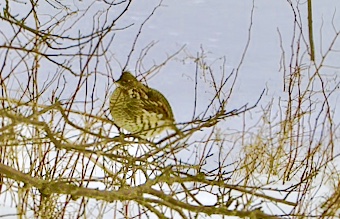
    Ruffed Grouse Feeding On The Fruit Buds Of Apple, Native Pin Cherry & Saskatoon Shrub During The Winter In The Ecological  Sustainable Plantscape Garden, Central Newfoundland.

Enhanced Plantscaping & Cardio-Vascular Health

Objectives


  • Grow, establish and transplant tree and shrub plants along fence lines, hillsides and in exposed areas utilizing native fruit trees, shrubs and plants which encourage song birds, wild life, pollinating and other beneficial insects plus providing fruit in season.
  • Grow more fruit and vegetable produce in the lawn and garden and buy more locally produced produce. The average distance traveled for food from producer to consumer is 2,000 km.
  • Manually weed out aggressive imported weeds like the dandelion which originates from Europe. This is done by removing the buds and flowers that are easily spotted for three-four weeks in late May to mid-June.

    WEK_IMG010

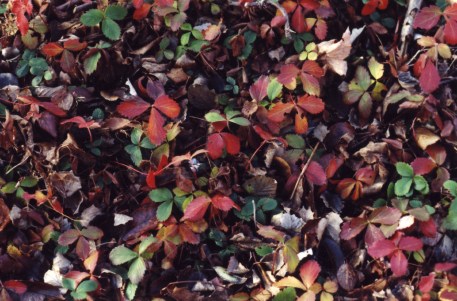
    Native Strawberry Ground Cover/Lawn Exhibiting Rich Red Fall Colours In The Ecological Sustainable Horticultural Garden, Central Newfoundland. No Need To Mow This Lawn.

  • The seed heads have 120 seeds per head and the plants have 20 – 40 buds per plant. One substantial robust healthy plant is capable of producing 4,000 seeds. It does not take many plants to produce a “sea of yellow” in the area. A substantial portion of the carrot-like root system has to be dug out so the plant does not regrow. The tenacious root system comes out of the ground more easily after a soaking rain. The removing of the buds, flowers and seed heads plus digging up the roots can be treated as a season’s exercise program. A little bit each day.  However, this plant is utilized for food and medicinal purposes. The leaves for edible greens are at their peak before the plant blooms. The flower and stems are utilized for wild edibles.

    ElderBerryRipeRedRobinFeeding

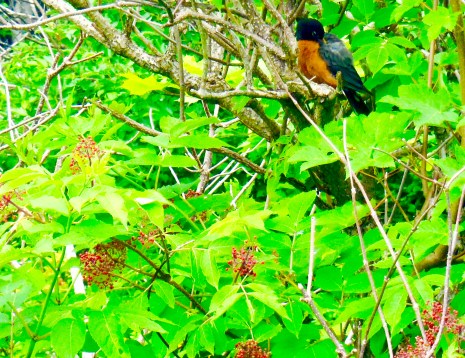
    Song Birds Especially The Robins Enjoy The Ripe Red Elderberries In The Ecological Sustainable Plantscape Horticultural Garden Starting In August, Central Newfoundland.

Benefits

  • The increased foliage from the establishing, growing and transplanting of trees, shrubs and a variety of healthy plants purifies the air and improves the quality of the environment. Song birds, pollinating insects and other wild life are increased. This helps keep insect pests down. Through the natural process of photosynthesis, carbon dioxide is consumed by the increased green leaves and oxygen is produced. The increased foliage buffers against noise and exhaust pollution. The result is dramatically reduced climate altering toxic carbon exhaust emissions and more peace and quiet.
  • Increased produce comes fresh from the garden including fruits, vegetables and floral arrangements of native and wild flowers. The native fruit trees, shrubs and plants provide tasty nourishing fruit within a few steps from the door. They attract song birds, pollinating and other beneficial insects which keep insect pests down. Some vegetables have attractive canopies or flowers like potatoes and green onions.

    My beautiful picture

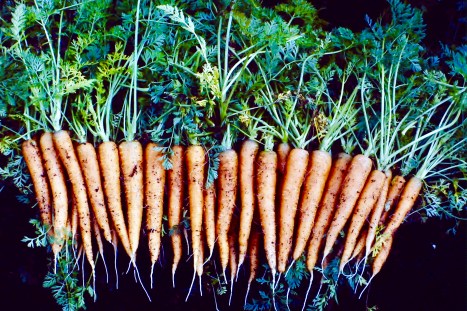
    Carrots Grow Well In Soil That Is Deep, Slightly Acidic, Without Obstructions & Is Especially Rich In Well Rotted Or Decoposed Organic Matter.

  • Other vegetables like peas and carrots have superior flavour, nutritional content when harvested and eaten fresh from the garden. There are opportunities in the Exploits Valley of Central Newfoundland where pesticides are not needed to grow potatoes as is the case in other parts of the country and continent. These options of growing food become more attractive with ever-increasing fuel prices. The average distance traveled for food from producer to consumer is 2,000 km.
  • By growing more fruit and vegetables in the garden and buying more locally produced food, the distance traveled for food and the resulting carbon exhaust emissions is reduced. It is estimated that Newfoundland has only three or four days supply of food on hand at any given time. Witness the empty shelves in the grocery stores when the ferries are held up at the coastal ports for a few days due to adverse weather conditions.

    BlueberryFoliageRedFallColorBlueFruit

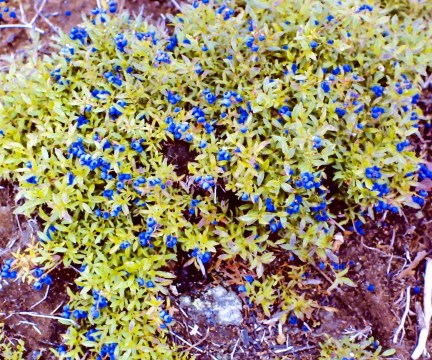
    Rich Red Fall Colours Of Low Growing Blueberry Foliage As Part Of The Ground Cover In The Ecological Sustainable Plantscape Horticultural Garden, Central Newfoundland.

  • The increased physical activity, fitness and better health results from gardening, weeding and hand pruning which includes stretching, pulling, reaching, walking, bending, hoeing, shoveling, squeezing and lifting using all the muscles. It is recommended that stretching exercises be done before gardening. Gardening can be incorporated into the cardio-vascular exercise program to keep fit, lower blood sugar and bad cholesterol plus raising good cholesterol, keeping weight and blood pressure down. This form of physical activity has a number of advantages in that there is not a problem of shin splints or heavy pounding on knee and hip joints.


The Unsustainable Carpet Syndrome

Under the guise of caring for the lawn, the following malpractices display a treadmill of destruction with unnecessary increased noise and air pollution with increased carbon exhaust emissions and poisonous cosmetic use pesticides.

These malpractices include the following:

  1. Cutting the lawn too short takes away the plants’ vital food manufacturing leaf surfaces; weakens and kills the plants.
  2. Cutting the lawn too frequently does not allow the plants to grow and develop properly to good health.
  3. Cutting the lawn on hot windy days during dry summer conditions is destructive. The health of the lawn is compromised. The plants become weak, turn yellow, brown, and die. Aggressive weeds move into the bare spaces that are left.

    My beautiful picture

    Bending Over For A Closer Examination, “This Monoculture Grass Only Unstable Lawn Desperately Needs More Attention, To Increase The Longevity & Reduce The Constant High Maintenance”, She Disappointedly Exclaims !

  4. Cutting the lawn at a set time each week, regardless of the weather and soil moisture conditions, is not allowing for adequate growth of the leaves before cutting. This weakens and kills the plants. All of this frequent cutting adds to the noise and air pollution, plus the quantity of toxic carbon exhaust emissions and increases the carbon footprint.
  5. The practice of not using organic mulches is wasteful and does not conserve moisture for the root systems around trees, shrubs, fruit and vegetable gardens and pathways.
  6. Discarding organic mulches of biological organic material includes leaves, grass, twigs, branches and limbs, bark chips, wood chips, wood shavings, sawdust and wood ashes plus material from the kitchen as plant food and compost. This material is discarded as waste at curb side.

    IMG_2650

    Exposed Ever Green Needle Trees Are Especially Sensitive To Dry Soil & Drought Conditions Especially In Desiccating Drying Winter Wind Conditions. Mulching With Coarse Fibrous Organic Material To The Drip Line Of The Branch Extremities Encourages Soil Moisture Retention Plus Plant Food Availability & Enhanced Plant/Tree Health.

  7. Discarding biological organic material from the kitchen and garden is considered as plant food, soil conditioner and compost. Presently two-thirds of the waste going to the land fill is biological organic in nature including paper, cardboard and compostable materials.
  8. The town’s potable drinking water paid for by the taxpayers of the community is used to water the short- cut lawns with sprinklers going continually. After mowing the lawn too short in the hot dry weather of summer, the grass takes on a yellow cast or appearance. Sometimes the sprinklers are going for four days and nights in the same setting with water running down the driveway, sidewalk and roadway. The grass clippings that can be utilized as plant food and soil conditioner or in the compost are hosed off the driveway and sidewalk onto the roadway with potable drinking water.
    image002

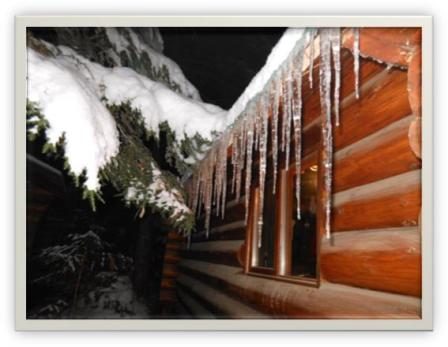
    Icicles Dripping Off The Roof Signals That There Is Something Terribly Wrong Underneath The Roof That Needs Attention ! Like Why Are There Fewer Song Birds Around In The Garden & Neighbourhood ?


  9. Trees and shrubs can be used to shade parts of the lawn especially the severely exposed areas sloping to the south, east or western sides. In newer urban developments healthy trees and shrubs are noticeably scarce.
  10. The lower limbs and branches of the trees and shrubs are cut off to heights of eight to ten feet. By taking off the lower branches, the water table is reduced, the soil under the trees dries out and the plants become weak with dead and dying limbs. The trees and shrubs struggle to survive when the root systems are further reduced because of paved driveways, cement sidewalks, curbs and house foundations in the urban environment.
  11. Forming the elevated landscaped tabletop in which the lawn, trees and shrubs are trying to grow further aggravates the dry soil condition. The perceived look of a flat tabletop lowers the moisture regime in the soil and the health and nutritional requirements of the lawn, trees and shrubs growing in it. These are important factors in having a healthy lawn without the application of the town’s potable drinking water. This is especially true after cutting the lawn too short on hot, dry, sunny and windy days of summer. The lawn becomes yellow, brown and weak. Such conditions are right for weed infestations to occur.

    fullsizeoutput_218a

    With A Closer Look To Access The Root Of The Problem Down There, The Big Question Is: “Can You See What The The Trouble Is & How To Fix It “? Like Why Poison The Soil, Air & Water That Nourishes & Feeds The Plants, Shrubs, Trees & Flowers Particularly Of Concern Are The Medicinal & Food Plants ?  

  12. Using short cut grass, pavement, cement, gravel, stones and rocks under the trees and shrubs which greatly reduces the moisture holding capacity of the soil. Protection in winter is reduced and frost injury is increased.
  13. Using the “grass only” lawn that is a monoculture is unsustainable. The real insect pest infestation in the grass monoculture of the manicured lawn is the Chinch Bug. The Chinch Bug feeds on grass roots. The misguided attempt is made for cosmetic purposes to kill the bug with poisonous chemicals, jeopardizing the health of pets, children and the neighbors to try and maintain an artificial carpet outside the front door. These actions inflict poisonous fumes from pesticides and toxic carbon exhaust emissions from frequent cutting onto the neighbors. Pets and children who are most vulnerable should not be subjected to such harmful fumes. The rates of cancer are high in Central Newfoundland. The aim should be trying to reduce the exposure rate, both short-term and long-term, from poisonous pesticides and toxic carbon exhaust emissions. A healthier community trying to prevent these health issues including cancer can significantly reduce medical costs.

    My beautiful picture

    Native Healthy Ripe Red Currents Clusters Growing With No Pesticides. In The Ecological Sustainable Horticultural Garden.

  14. Spraying the lawn or spreading chemical fertilizers on the lawn containing herbicides or chemicals to kill weeds add significantly to the treadmill of destruction of the plants and the soil ecosystem. The herbicides or chemicals used to kill dandelions, also kill beneficial plants. By killing all the beneficial plants except grass plants, the lawn is left in a very vulnerable exposed position in relation to imported, aggressive weed infestations, insect pests, diseases and malnutrition. Not all grass plants suitable for the lawn are of the robust and healthy types that can withstand the environmental conditions of the Northeast Atlantic region.
  15. Gulls and crows open up plastic garbage bags at the curb side. They are attracted by food scraps and bits of food left in the containers and packaging. In the article from the Advertiser, Grand Falls-Windsor, Thursday, February 1, 2007, Minister Encourages Optimism for Province’s Recycling and Waste Management Initiatives, the Minister of Environment and Conservation, Clyde Jackman, stated “two-thirds of the total waste stream in the province is comprised of fiber and organic materials”. The success rate is dismal in reducing and recycling the equivalent of 2/3 of the waste. This can be accomplished by composting and utilizing the biological organic material as plant food and as a soil conditioner plus recycling the paper and cardboard. The present practices add drastically to the toxic carbon exhaust emissions for transportation in the waste management and disposal system to a land fill or incinerator for 100,000 people in Central Newfoundland.

    My beautiful picture

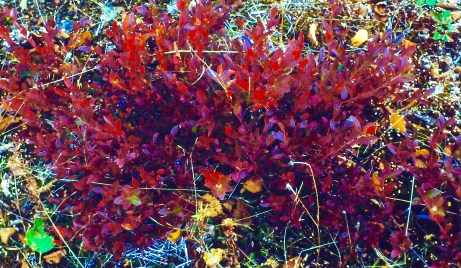
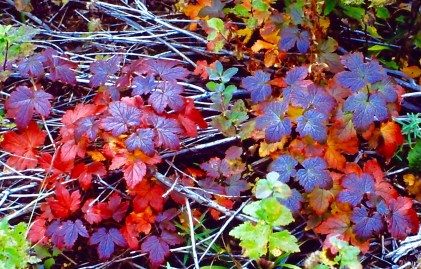
    Colourful Fall Foliage With Red & Purple Leaves Of The Native Red Current Plants As Part Of The Border Ground Cover In The Ecological Sustainable Plantscape Of The Horticultural Garden.

  16. Frequently cutting and trimming of lawns by the gas powered engines in the hot dry windy weather of summer causes increased toxic carbon exhaust emissions and noise pollution. This unnecessary action can be lowered and thereby positively affect climate change by significantly reducing the carbon footprint. The tractor or riding lawn mower for a wide expanse of lawn is highly suspect considering the time involved in mowing, the amount of increased toxic carbon exhaust emissions and the variety of horticultural plantscape alternatives available with the use of mulches around their bases.


Project Summary

The Horticultural Green Garden Project To Lessen The Carbon Footprint And Toxins In The Environment To Positively Affect Climate Change

To outline, promote & market a sustainable ecological horticultural system of management for the lawn and garden that:

SaskatoonBerries Ripe Blue

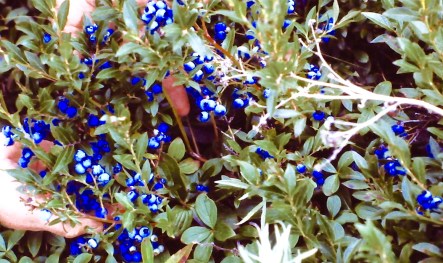
Deep Blue Ripe Native Saskatoon Berries, One Of The Key Ingredients Of The Emerency Food Ration, Pemmican,  Together With Meat & Fat From The Prairie Bison Used By The Native Plains Cree People. The Birds Especially The Robins Love The Pear Shaped Pesticide Free Fruit Too, Central Newfoundland

  1. substantially reduces the climate altering toxic carbon exhaust emissions.
  2. drastically reduces noise pollution.
  3. does not require the poisonous cosmetic use pesticides on the lawn.
  4. does not need the potable drinking water on the lawn paid for by the taxpayers of the community.
  5. utilizes the wet biological organic material from the kitchen, lawn and garden such as grass, leaves, cut up banana peels, tea bags and egg shells as a free plant food source directly to the soil or in the compost.
  6. recycles the dry fibrous biological organic material from the kitchen, lawn, garden, and workshop.  These materials include bark and wood chips, wood shavings, sawdust, cut up branches, corn cobs and husks, leaves, grass, peat moss, peanut and sunflower seed hulls.  Such material adds fibre and organic matter to the soil as a beneficial soil conditioner and as mulch around trees and shrubs to hold in moisture and allow nutrients to be readily available to improve plant health.

    WEK_IMG012

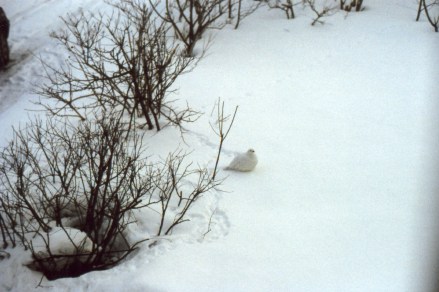
    Ptarmigan Feed On Native Saskatoon Berries & Fruit Buds,  In Winter, Central Newfoundland. Native Saskatoon Shrubs Chuckley Pear NL, Add Significantly To The Bio-Diversity Of The Plantscape In The Ecologically Sustainable Horticultural Garden.

The volume of waste to be collected by the waste management system is thereby reduced by two thirds with the composting and recycling of all the organic and biological material from the kitchen, garden and workshop.  This is a sharp contrast to present practices of not composting and not recycling.  Reaching these objectives through this education and technology transfer program represents a significant reduction in the carbon footprint in the lawn and garden. From the Green Garden Horticultural Project, it is estimated that the climate altering toxic carbon exhaust emissions reduction equivalent per household per year is 2,178.9 kg.  This is a significant initiative to alter positively climate change in the lawn and garden.

My beautiful picture

Native Low Growing High Yielding Ripe Deep Blueberries. The High Organic Matter Content Of The Nutrient Rich Top Soil Together With The Enhanced Micro-Climate Produces A Lovely Fresh Delightful Tasting Pesticide Free Healthy Berry Fruit, Central Newfoundland.

A pilot survey amongst an initial representative sample of householders in the region is expected to show that a positive change in the reduction of toxins and the carbon footprint is actually taking place one year, two years and three years after adopting and following the recommendations of the Sustainable, Ecological, Horticultural Green Garden Project.

The Green Garden Horticultural Project clearly demonstrates a commitment to addressing the positive climate change initiatives of the Action Plan as released July 13, 2005 by the Department of Environment and Conservation, Government of Newfoundland Labrador.

Refer To The Key Section: Under The Category, The Sustainable Lawn“The Objectives And Benefits To Positively Affect Climate Change And Health”
What Led To This Project?

When Edward arrived in the Exploits Valley of Central Newfoundland during the late 1970’s, he was confronted with a challenge.  His yard had been typically scraped with a bulldozer mixing the subsoil and valuable but limited topsoil.

fullsizeoutput_2e24

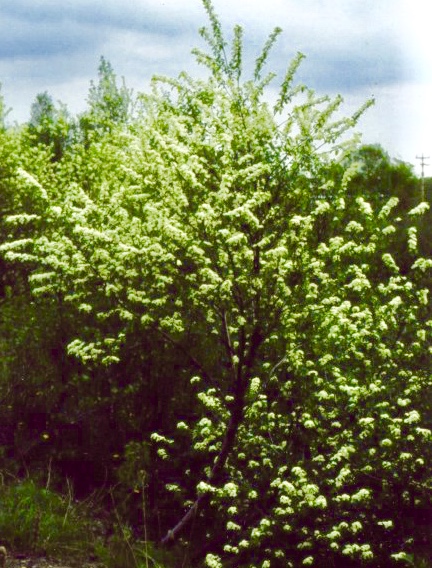
A Healthy Native Cherry Pin Tree In Full Bloom, Growing In A Favoured Micro-Climate & Rich Flood Plain Alluvial Soil Of The Exploits River Valley, Central Newfoundland.

Some surface and subsoil aggregate had been dumped and spread to make a quasi-elevated table top in the front yard contributing to the drainage issues and poor soil quality.  Chunks of cement and pavement were in the mixture.  This, coupled with the removal of all the native vegetation led to a destitute platform for any green-thumb, let alone a Horticultural Specialist.  The constant noise and air pollution associated with all the lawn mowing, trimming, and leaf blowing led him to think, “there had to be a better way”.

The way of thinking at this time in maintaining a lawn was to lime and fertilize with commercially produced products.  The end result would be even more mowing with increased noise and toxic carbon exhaust emissions.  This is not to mention the purchasing, packaging and shipping costs along with the pollution associated with these products.  He was very concerned with the poisonous cosmetic use pesticides being used in the neighborhood where children and pets were playing.  He recognized and could instantly smell the fumes.

fullsizeoutput_2e22

Native Cherry Pin Tree In Full Bloom Growing In The Favoured Climatic & Soil Conditions Of The River Valley, Central Newfoundland.

The young workers applying the pesticides were not wearing protective equipment.  He knew there was something terribly wrong with the whole process.  This clearly did not make sense.  That is, to spend so much time contaminating the neighborhood in the soil, air and water on a collective scale as a cosmetic practice.

Over the next thirty two years, Edward set out to develop a sustainable, ecological, and horticultural system of management in the lawn and garden to demonstrate that there was a better way to create and sustain a lawn and garden without the harmful or wasteful approaches commonly used at that time.  His directive was:

  1. To substantially reduce the climate altering toxic carbon exhaust emissions.
  2. Drastically reduce noise pollution.
  3. Eliminate entirely the use of poisonous cosmetic use pesticides on the lawn.

    My beautiful picture

    Native Ripe Red Cherries Pin In The Ecological Sustainable Horticultural Garden Attract & Provide Desirable Food For Song Birds.

  4. Eliminate the unnecessary use and waste of the town’s potable drinking water on the lawn, driveway and walkways.
  5. Utilize the wet biological organic material from the lawn, garden and kitchen such as grass, leaves, cut up banana peels, tea bags, and eggshells as a free plant food source directly to the soil or in the compost.
  6. Recycle the dry, fibrous biological organic material from the kitchen, garden and workshop.  These materials include bark and woodchips, wood shavings, sawdust, cut up branches, corn cobs and husks, leaves, grass, peat moss, peanut and sunflower seed hulls.  Such material adds fibre and organic matter to the soil as a beneficial soil conditioner and as mulch around trees and shrubs to hold in moisture and allow nutrients to be available to improve plant health.
  7. Plant a representative sample of the native fruit trees, shrubs and plants that were growing well in the Exploits Valley of Central Newfoundland in the lawn and garden.
    CherryPinFoliageRedFall

    Distinctive Deep Red Foliage Of The Native Cherry Pin In The Autumn, Central Newfoundland.

    The number or density, health and vigour of such fruit species revealed the true significance, uniqueness, the favoured micro- climate and the flood plain alluvial soil in the Valley or heartland of the region.  The Biodiversity of these fruit trees, shrubs, plants and other species must be preserved.  They were being flattened and desecrated with abandon in the name of progress with no land use planning, no stock piling of topsoil or preservation of trees shrubs or plants prior to development.

  8. Protect flood plains, water courses, and riverbanks.  These were being minimized of their former integrity.  When flooding or excess waters happens over a short period of time in the Winter on frozen ground, damage is more severe and acute to people and infrastructure close by on the banks or in the flood plains.